

GENERAL DENTISTRY
TMJ Treatment
Evaluation of jaw pain, clicking, headaches and bite-related symptoms with treatment tailored to the cause.
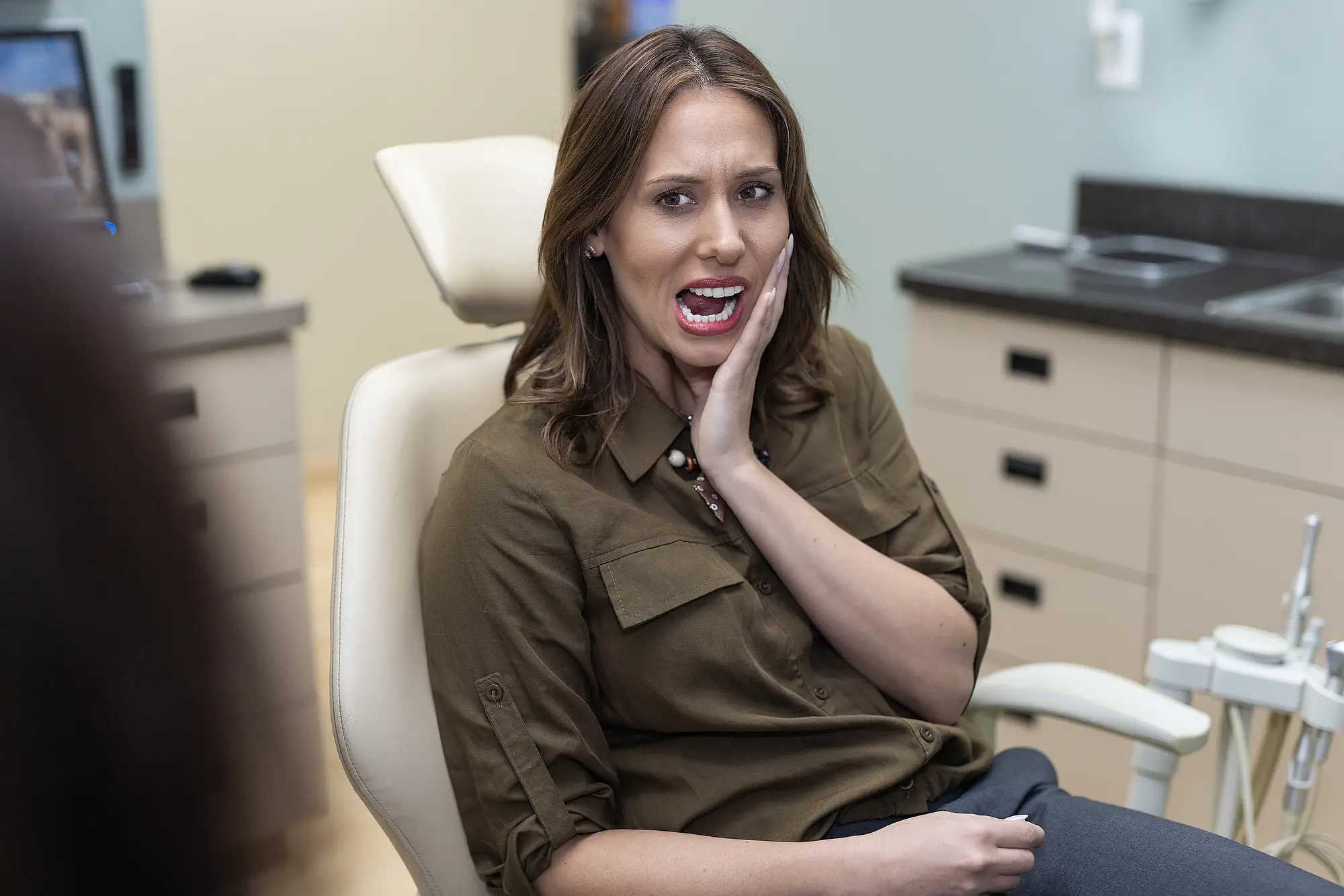
Jaw pain, clicking or tension can come from several different sources — the joint itself, the surrounding muscles, the bite, or a combination — so an accurate evaluation matters more than a standard appliance.
a smile made for you.
GENERAL DENTISTRY
TMJ Treatment at Valencia Dental Office
The temporomandibular joints connect the lower jaw to the skull and work together with the chewing muscles and bite. Jaw pain, restricted movement, clicking or muscle tension can have several causes, so effective treatment begins with a careful evaluation rather than a one-size-fits-all appliance.
Because symptoms vary so much between patients, treatment is built around what the evaluation actually shows, not a single default approach.
IS THIS RIGHT FOR YOU?
When to Schedule a Visit
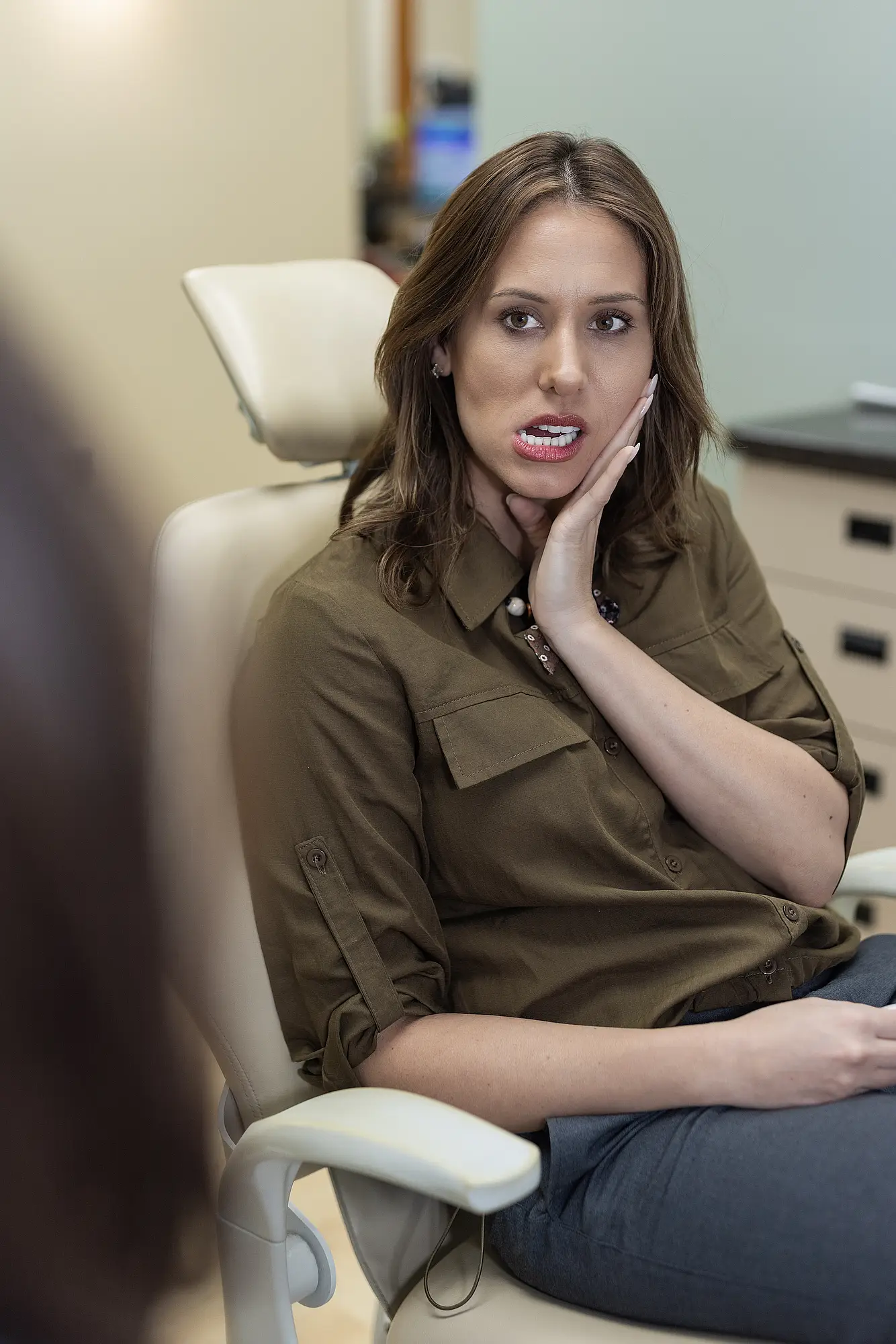
Patients with persistent jaw pain, limited opening, locking, significant clicking with discomfort, headaches associated with jaw use or unexplained tooth wear may benefit from an evaluation.
- Persistent jaw pain that does not resolve on its own
- Limited jaw opening or a jaw that locks
- Clicking or popping accompanied by discomfort
- Headaches that seem connected to jaw use or clenching
THE EVALUATION
How We Get to a Diagnosis
- Symptom reviewWe ask about pain location, triggers, headaches and how long symptoms have been present.
- Physical examinationThe jaw joints, muscles and range of motion are examined directly.
- Bite assessmentWe check for wear patterns or bite relationships that may be contributing.
- RecommendationBased on findings, we discuss options ranging from habit changes to an oral appliance or referral.
WHAT WE EVALUATE
Understanding Where Symptoms Come From
- Jaw movement and rangeWe check how far and how smoothly the jaw opens, and whether movement is limited or uneven.
- Joint soundsClicking, popping or grinding sounds are noted and considered alongside other symptoms.
- Muscle tensionThe muscles used for chewing are checked for tenderness or overuse patterns.
- Bite relationshipHow your teeth come together can contribute to joint or muscle symptoms.
TREATMENT OPTIONS
Approaches That May Be Considered
Not every TMJ concern is treated the same way — the right approach follows from what the evaluation finds.
Habit modification
Addressing clenching, grinding or other habits that place extra strain on the joint.
Oral appliance
A custom appliance designed to reduce strain on the joint and muscles.
Referral when appropriate
Coordinating with a specialist when symptoms suggest something beyond dental management.

MANAGING SYMPTOMS DAY TO DAY
What You Can Do Between Visits
Simple habits — softer foods during a flare-up, avoiding gum, and being mindful of clenching — can ease symptoms alongside any treatment plan.
If symptoms change or worsen between visits, let us know so the plan can be adjusted rather than waiting for your next scheduled appointment.
TMJ Treatment FAQ
- What does tmj treatment involve?
- The temporomandibular joints connect the lower jaw to the skull and work together with the chewing muscles and bite. Jaw pain, restricted movement, clicking or muscle tension can have several causes, so effective treatment begins with a careful evaluation rather than a one-size-fits-all appliance.
- How do I know whether this treatment is appropriate for me?
- Patients with persistent jaw pain, limited opening, locking, significant clicking with discomfort, headaches associated with jaw use or unexplained tooth wear may benefit from an evaluation.
- What should I expect from the treatment process?
- We review your symptoms, health history, bite and jaw movement and examine the muscles and joints. Recommendations may include habit modification, an oral appliance, management of tooth wear, physical-therapy coordination or referral when appropriate.
- Is TMJ treatment the same as an oral appliance for teeth grinding?
- They can overlap, but not always — a dedicated evaluation determines whether an appliance for TMJ, a night guard for grinding, or another approach fits your situation.
- How long does treatment typically take?
- This varies widely by cause and severity, and is discussed individually after your evaluation.
- Can TMJ symptoms go away without formal treatment?
- Some mild cases improve with habit changes alone, while others benefit from a structured plan; an evaluation helps determine which applies to you.
- Should I see a physician instead of a dentist for jaw pain?
- Dentists often evaluate jaw and bite-related symptoms first, and can refer you to a specialist if the findings suggest that is appropriate.
- Are headaches always related to TMJ issues?
- Not always, but headaches associated with jaw use or clenching are worth mentioning during your evaluation.