


PREVENTIVE DENTISTRY
Oral Cancer Screening
A careful examination of the mouth and surrounding tissues to look for changes that may need further evaluation.
A screening is quick, generally painless, and looks specifically for changes in tissue that would not be obvious just from how your mouth feels.
a smile made for you.
PREVENTIVE DENTISTRY
Oral Cancer Screening at Valencia Dental Office
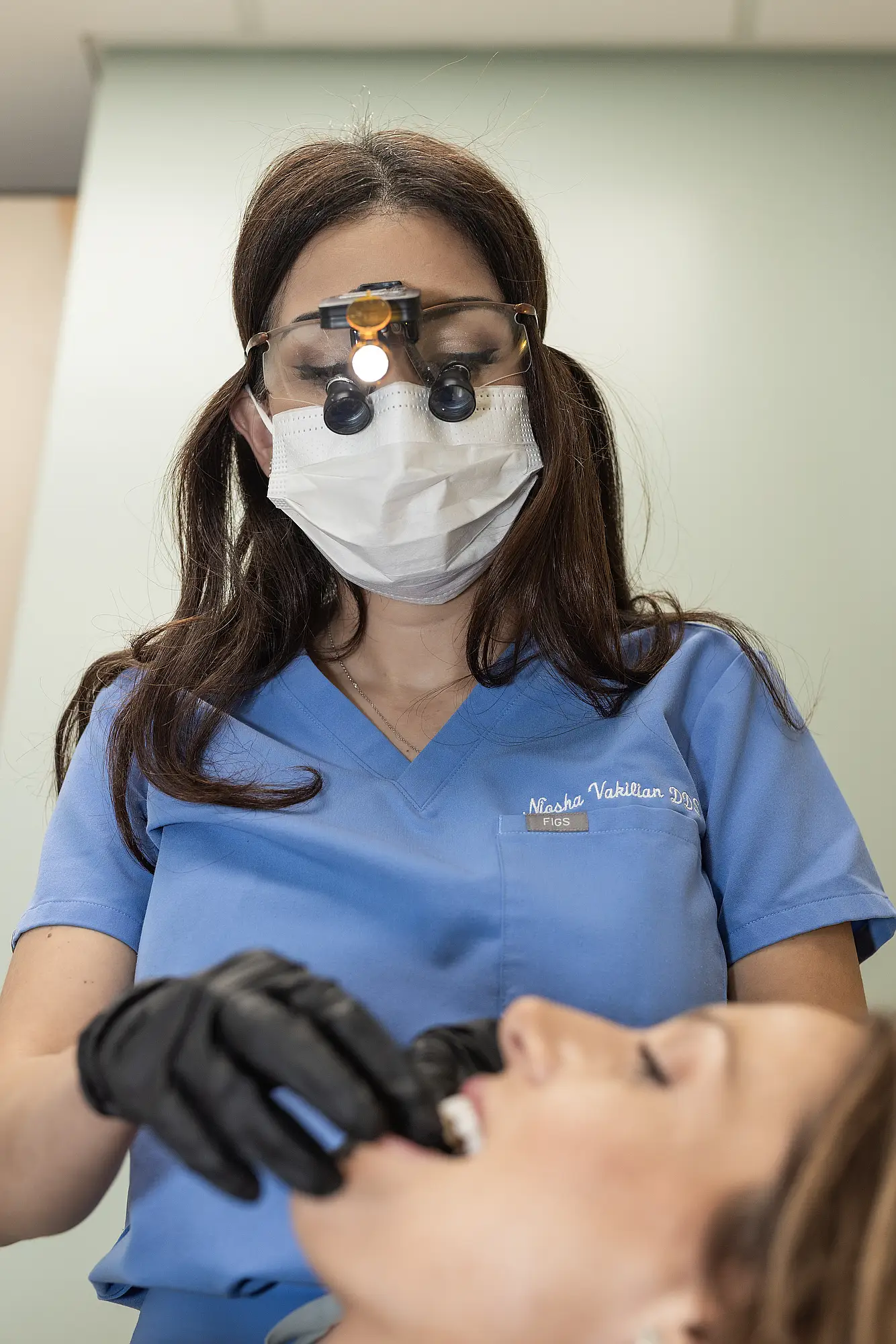
Oral cancer screening is an important part of a comprehensive dental examination. The dentist checks the lips, cheeks, tongue, floor of the mouth, palate, throat area and other visible tissues for sores, colour changes, lumps or other findings that do not appear normal.
No screening tool can diagnose cancer on its own — the goal is to catch anything unusual early enough that it can be properly evaluated.
IS THIS RIGHT FOR YOU?
When to Schedule a Visit
Everyone benefits from routine oral examination. Tobacco use, heavy alcohol use, certain HPV-related risks, prior oral cancer and persistent unexplained lesions can increase concern and may warrant closer evaluation.
- A sore or spot in your mouth has not healed after a couple of weeks
- You have a history of tobacco or heavy alcohol use
- You have had oral cancer before and want ongoing monitoring
- You’ve noticed a lump, rough patch or color change you want checked
HOW SCREENING WORKS
A Quick, Non-Invasive Check
- Visual and physical examYour dentist visually checks and gently feels the relevant tissues during your regular visit.
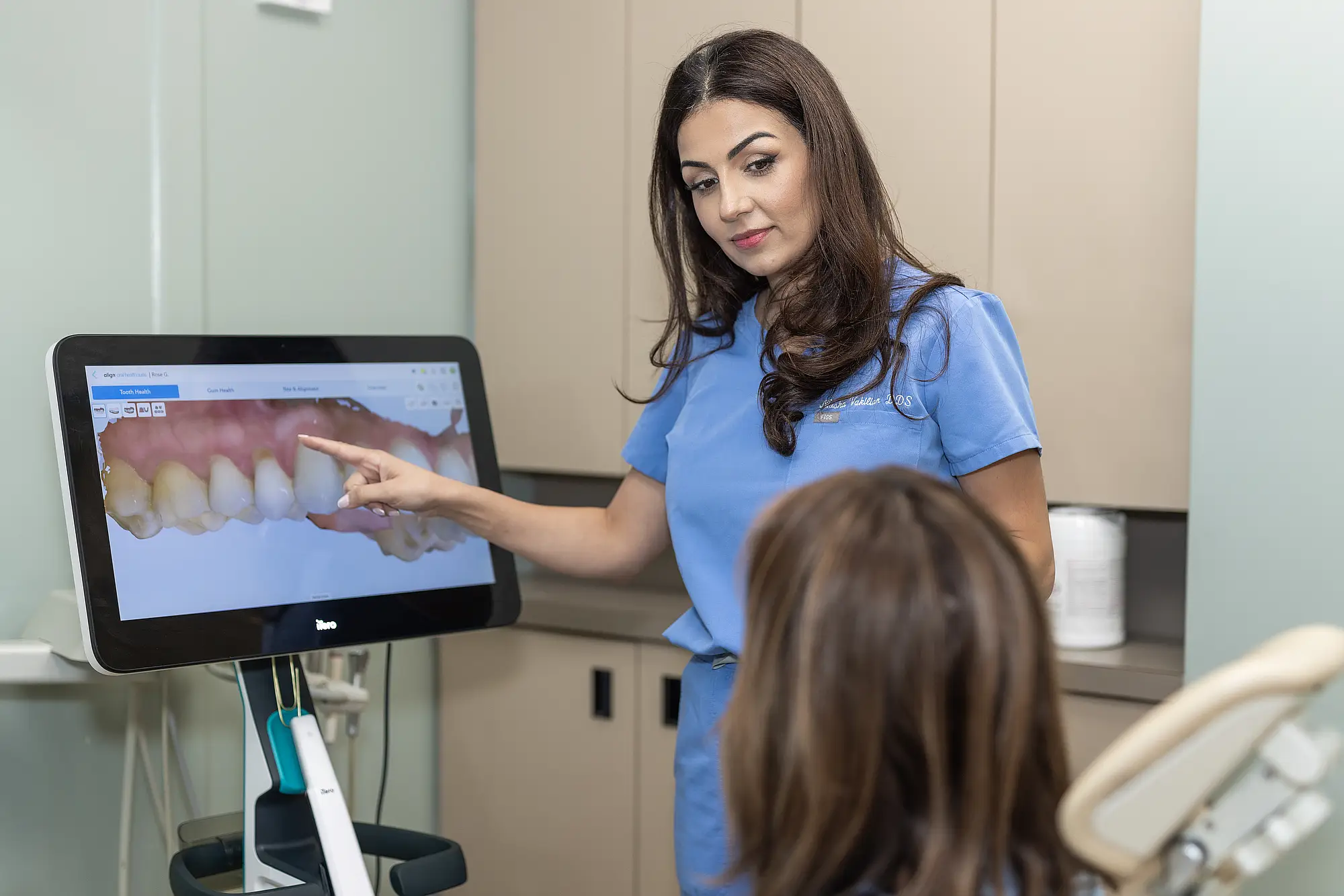
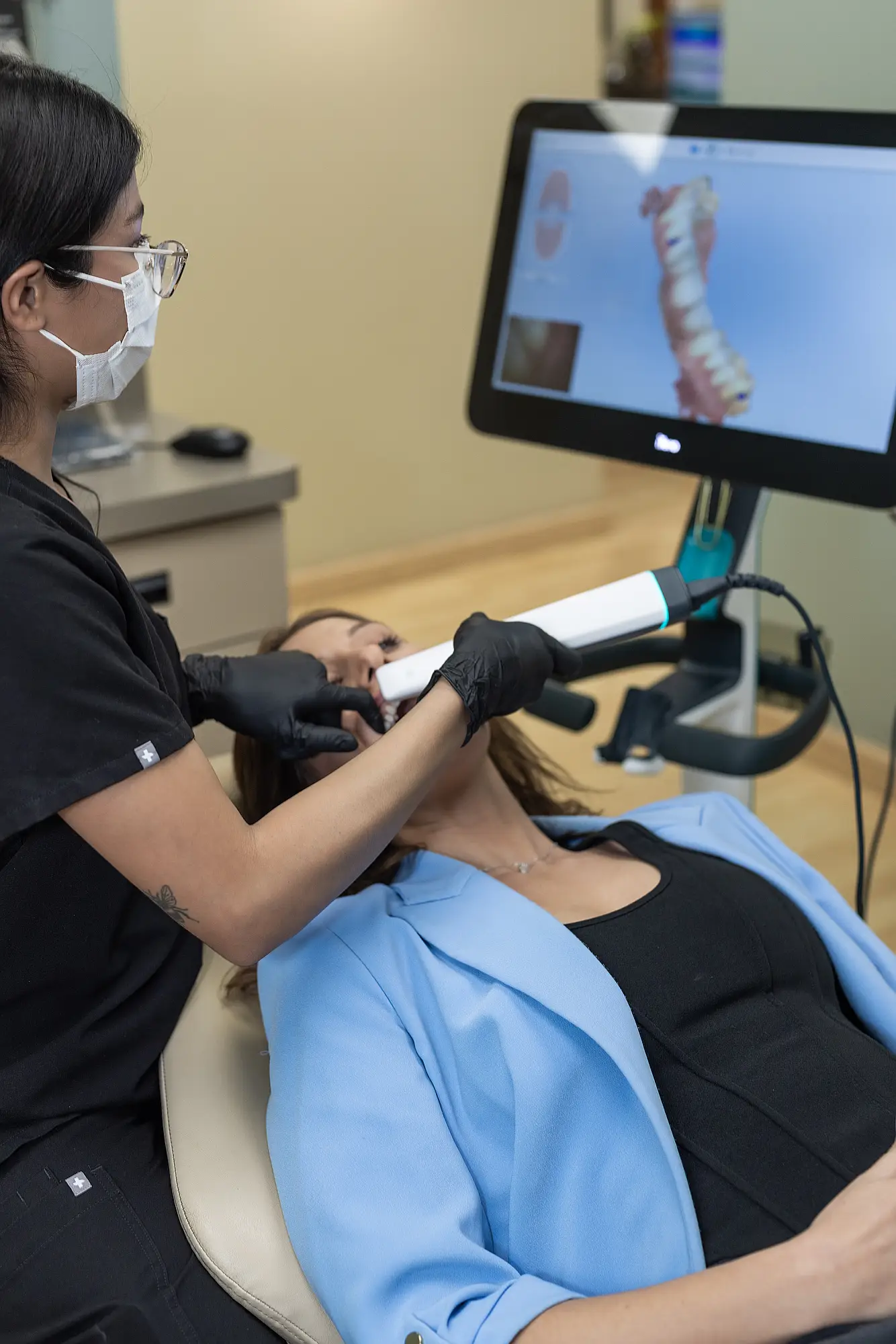
- Additional visualization when appropriateSome visits may include supplementary technology to aid the exam.
- Noting anything unusualFindings that warrant a closer look are documented and discussed with you.
- Referral if neededA persistent or suspicious finding may be referred for further evaluation or biopsy.
WHAT WE LOOK FOR
A Careful Check Of Oral Tissues
- Lips and cheeksChecked for sores, color changes or lumps that persist or seem out of the ordinary.
- Tongue and floor of the mouthAreas that are easy to overlook during a self-check at home.
- Palate and throat areaVisible tissue at the back of the mouth is included in a thorough screening.
- Anything that doesn’t look typicalPersistent or unusual findings are noted for closer follow-up.
WHO SHOULD BE ATTENTIVE
Factors That Can Raise Concern
Everyone benefits from routine screening, though some factors warrant closer attention.
Tobacco or heavy alcohol use
Both are associated with increased risk and are worth mentioning at your visit.
Prior oral cancer
A personal history means ongoing monitoring is especially important.
A persistent, unexplained sore
Anything that does not resolve within a couple of weeks should be evaluated.
WHY ROUTINE SCREENING MATTERS
Part of Every Comprehensive Exam
Because screening is included as part of a comprehensive dental exam, most patients are being checked regularly without needing a separate appointment.
If something is found, having a baseline from earlier visits helps your dentist and any specialist understand whether it’s new or has changed.

Oral Cancer Screening FAQ
- What does oral cancer screening involve?
- Oral cancer screening is an important part of a comprehensive dental examination. The dentist checks the lips, cheeks, tongue, floor of the mouth, palate, throat area and other visible tissues for sores, colour changes, lumps or other findings that do not appear normal.
- How do I know whether this treatment is appropriate for me?
- Everyone benefits from routine oral examination. Tobacco use, heavy alcohol use, certain HPV-related risks, prior oral cancer and persistent unexplained lesions can increase concern and may warrant closer evaluation.
- What should I expect from the treatment process?
- Screening is typically quick and non-invasive. Your dentist may use additional visualization technology when appropriate, but no screening tool can definitively diagnose cancer. A suspicious or persistent area may require referral and biopsy.
- Does an oral cancer screening hurt?
- No, screening is typically quick and non-invasive, involving a visual check and gentle feel of the tissues.
- How often is screening performed?
- It’s generally included as part of your regular comprehensive dental exam.
- What happens if something suspicious is found?
- You would be referred for further evaluation, which may include a biopsy to determine what the finding actually is.
- Can a screening definitively diagnose oral cancer?
- No, screening identifies areas that need a closer look; a definitive diagnosis requires further evaluation, such as a biopsy.
- Should I mention a sore that’s already healing?
- It’s still worth mentioning, especially if it recurs in the same spot or took an unusually long time to heal.