



SURGICAL CARE
Bone Grafts
Rebuild selected areas of jawbone to support dental implants or restore bone lost after tooth removal or disease.
Bone grafting rebuilds or preserves the volume of jawbone needed to support future treatment, most often used after an extraction, around a periodontal defect, or in preparation for a dental implant.
a smile made for you.
SURGICAL DENTISTRY
Bone Grafts at Valencia Dental Office
Bone grafting adds or preserves bone in areas where volume has been lost. In dentistry, grafts are commonly used after tooth extraction, around periodontal defects or before implant placement when the existing jawbone is not sufficient for the planned treatment.
The type of graft material and the healing timeline both depend on the size and location of the area being treated, which is why every graft is planned around imaging rather than a standard approach.
THE PROCEDURE
What Grafting Involves
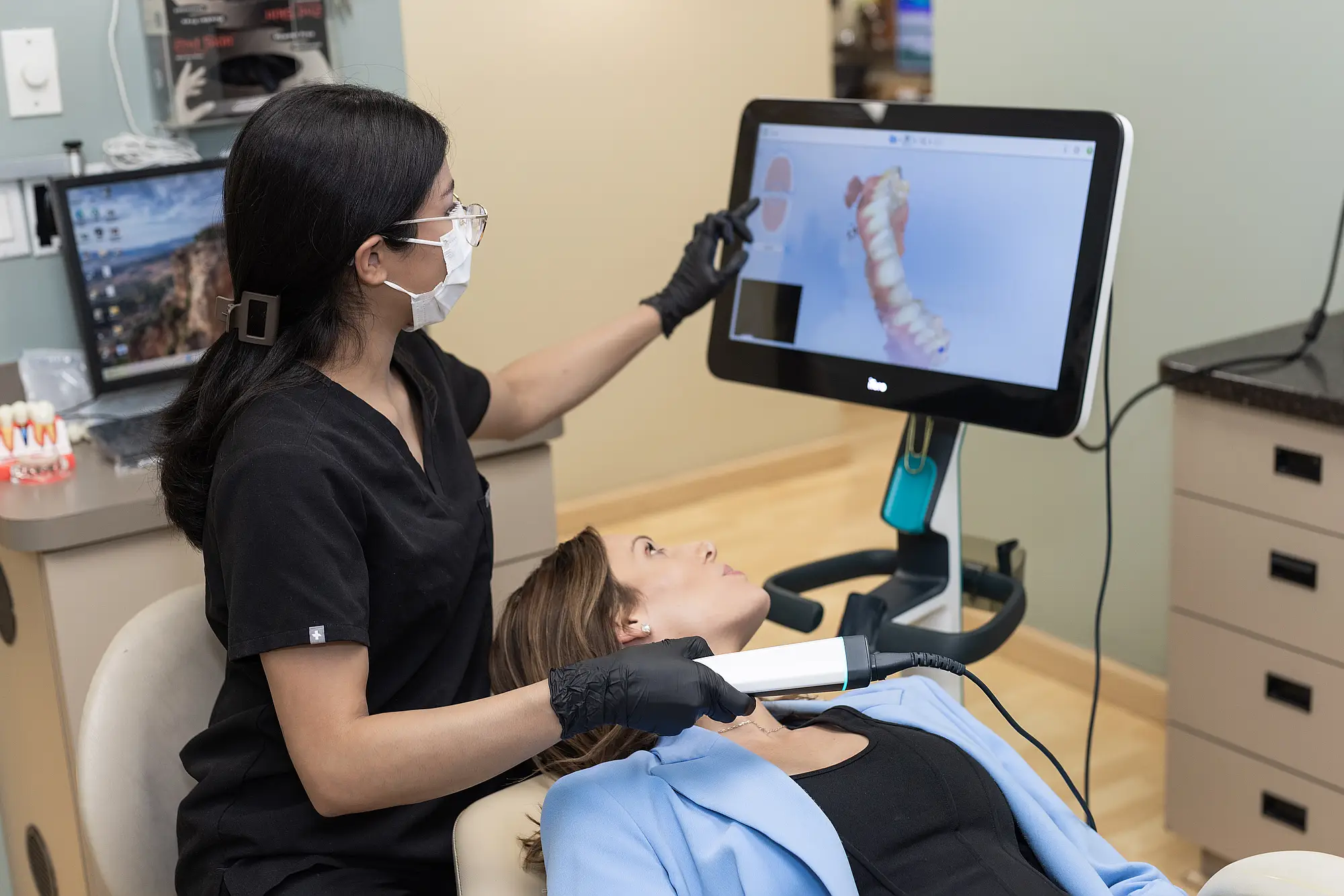
- Imaging and planningThe size and location of the defect are evaluated with imaging before any material is placed.
- Preparing the siteThe area is numbed and prepared to receive the graft material.
- Placing the graftGraft material is placed and protected while healing begins.
- Healing and follow-upSome grafts are completed alongside an extraction or implant, while others need to heal before the next step.
HEALING TIMELINES VARY
Why Some Grafts Need More Time
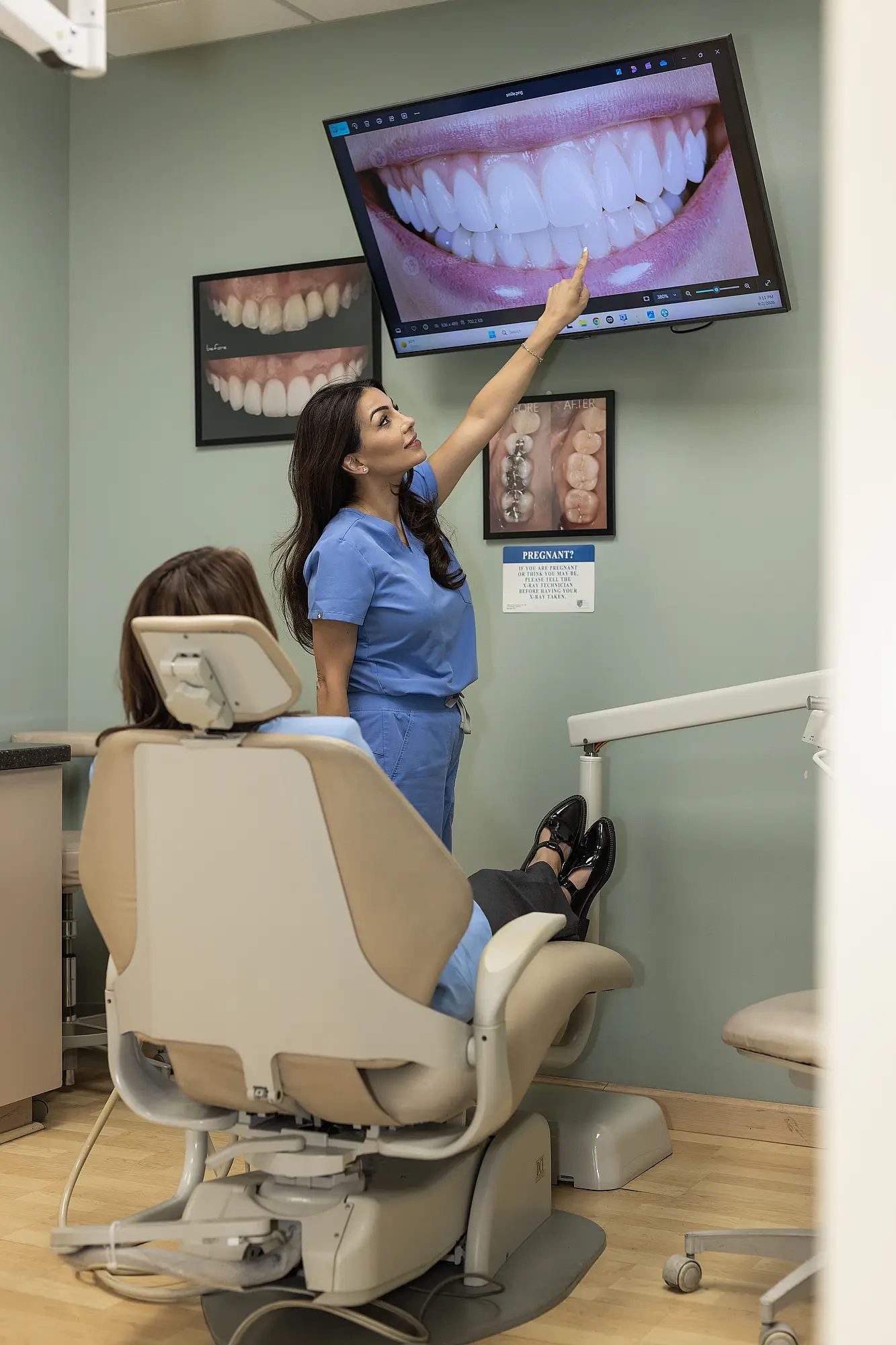
Some grafts are small enough to be completed at the same time as an extraction or implant placement, while larger defects need to heal fully before the next step of treatment.
Your dentist will let you know at your evaluation how your specific case is likely to be sequenced.
TYPES OF BONE GRAFTS
Matching Material To the Defect
Several graft material options exist, each suited to different situations.
Autogenous grafts
Uses bone from your own body, often considered for larger defects.
Allograft or synthetic materials
Processed donor or synthetic materials are commonly used and avoid a second surgical site.
Combination approaches
Some cases benefit from combining graft materials for the best result.
WHY BONE VOLUME MATTERS
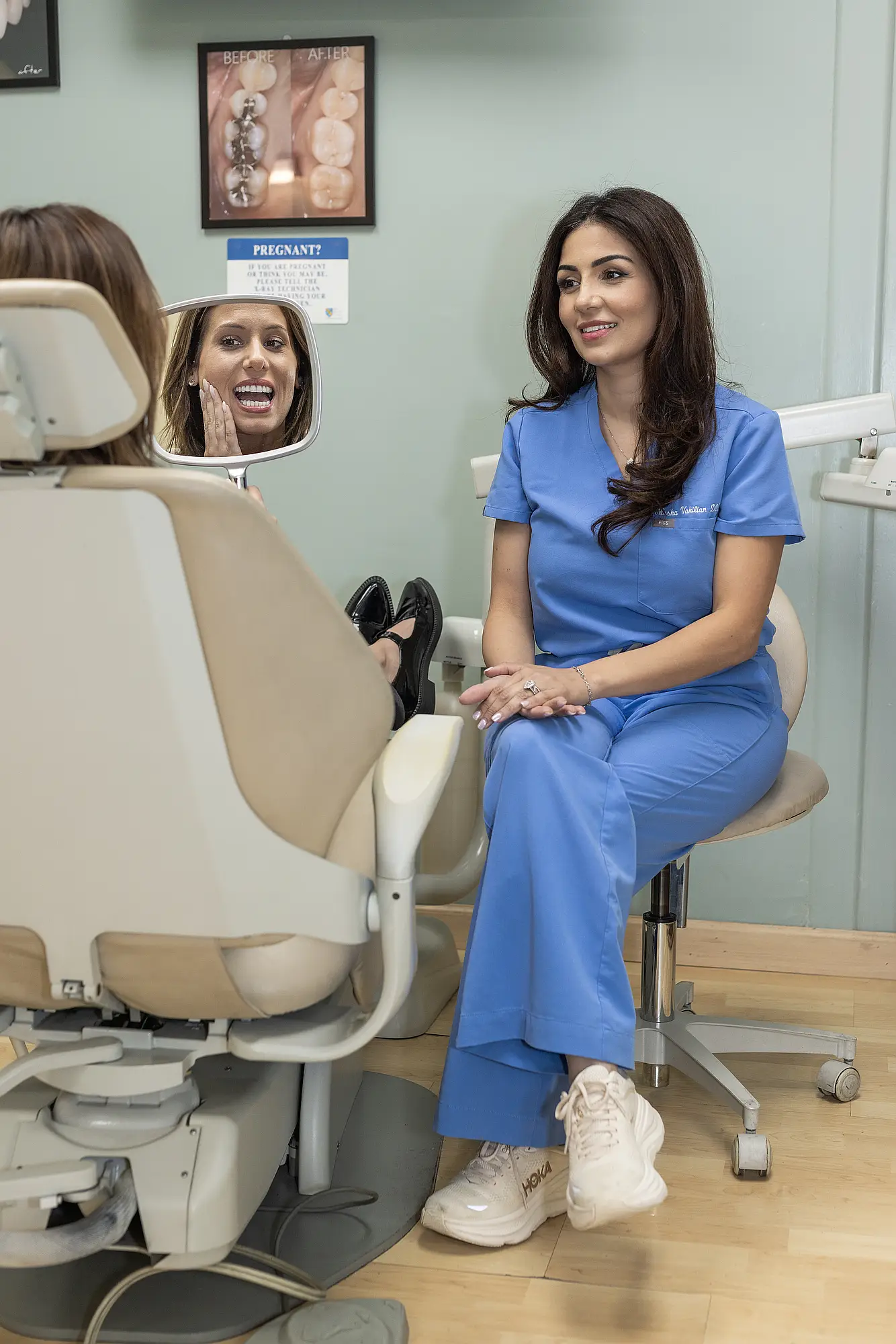
Preparing the Foundation for Treatment
- After an extractionGrafting at the time of extraction can help preserve the bone volume in that space.
- Around periodontal defectsBone lost to gum disease can sometimes be rebuilt in combination with periodontal treatment.
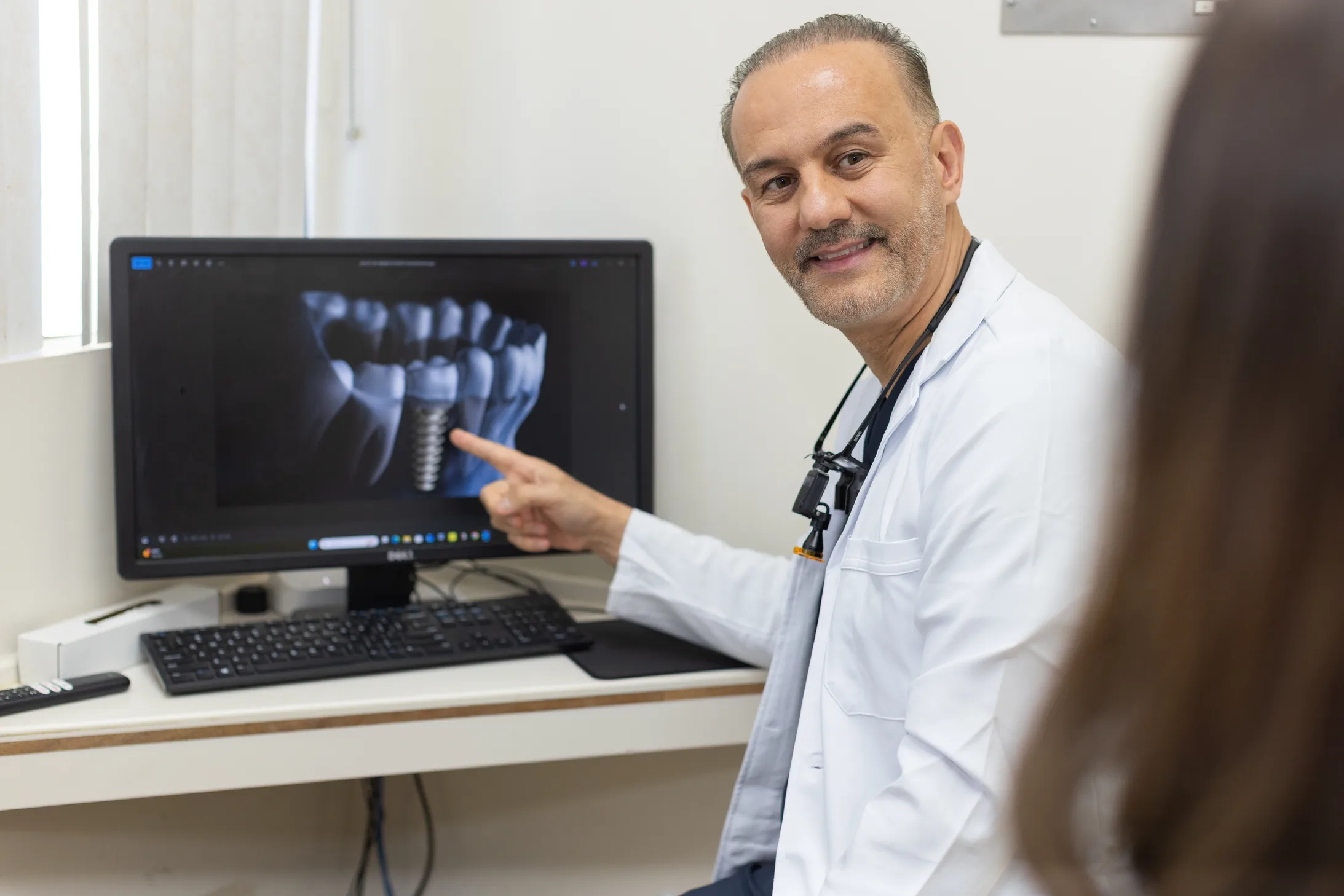
- Before implant placementWhen imaging shows insufficient bone, grafting creates the foundation an implant needs.
- Material optionsDifferent graft materials are selected based on the size, location and goals of the procedure.
IS THIS RIGHT FOR YOU?
When to Schedule a Visit
Grafting is recommended only when imaging and clinical evaluation show that additional bone is needed for the planned treatment. The type of graft and healing time vary by case.
- Imaging has shown insufficient bone for a planned implant
- You are having a tooth extracted and want to discuss preserving the bone
- You have a periodontal defect that may benefit from grafting
- You want to understand the timeline for grafting before implant treatment
Bone Grafts FAQ
- What does bone grafts involve?
- Bone grafting adds or preserves bone in areas where volume has been lost. In dentistry, grafts are commonly used after tooth extraction, around periodontal defects or before implant placement when the existing jawbone is not sufficient for the planned treatment.
- How do I know whether this treatment is appropriate for me?
- Grafting is recommended only when imaging and clinical evaluation show that additional bone is needed for the planned treatment. The type of graft and healing time vary by case.
- What should I expect from the treatment process?
- The procedure depends on the size and location of the defect. Graft material is placed in the prepared area and protected while healing occurs. Some grafts can be completed at the same time as an extraction or implant; others need to heal first.
- How long does it take for a bone graft to heal?
- This depends on the size of the graft and the material used; your dentist will give you a timeline specific to your case.
- Is bone grafting painful?
- The area is numbed for the procedure, and any discomfort afterward is generally manageable.
- Can I get an implant at the same time as a bone graft?
- In some cases, yes, when the graft is small enough; larger grafts often need to heal before implant placement.
- What type of graft material will be used?
- This depends on the specific defect and treatment goals, and is discussed as part of your treatment plan.
- Is bone grafting always needed before an implant?
- No, only when imaging shows the existing bone is not sufficient for the planned implant.