


SURGICAL CARE
Pocket Reduction Surgery
Periodontal surgery to improve access to deep gum pockets and create a healthier environment for long-term maintenance.
When periodontal pockets become too deep to clean effectively, even with non-surgical treatment, pocket reduction surgery provides direct access to the roots and bone so the area can be thoroughly treated.
a smile made for you.

SURGICAL DENTISTRY
Pocket Reduction Surgery at Valencia Dental Office
Advanced periodontal disease can create deep pockets between the teeth and gums where bacteria and tartar are difficult to remove. Pocket reduction surgery provides direct access to the root surfaces and supporting bone so diseased tissue and deposits can be treated more thoroughly.
The specific technique depends on pocket depth, the shape of the underlying bone, and the long-term outlook for the tooth involved.
IS THIS RIGHT FOR YOU?
When to Schedule a Visit
Surgery is generally considered when deep pockets or persistent disease remain after non-surgical periodontal treatment. The specific procedure depends on pocket depth, bone anatomy and tooth prognosis.
- Non-surgical periodontal treatment hasn’t fully resolved deep pockets
- Your dentist has measured persistent pocket depths at recent visits
- You continue to notice bleeding or inflammation despite regular cleanings
- You want to understand your options for managing advanced gum disease
WHAT INFLUENCES THE APPROACH
Every Case Is Planned Individually
The specific surgical technique depends on several factors unique to your case.
Pocket depth
Deeper pockets may call for a different approach than moderate ones.
Bone anatomy
The shape of the underlying bone defect informs the surgical plan.
Tooth prognosis
The long-term outlook for the tooth factors into how aggressively the area is treated.
WHY DEEP POCKETS ARE A PROBLEM
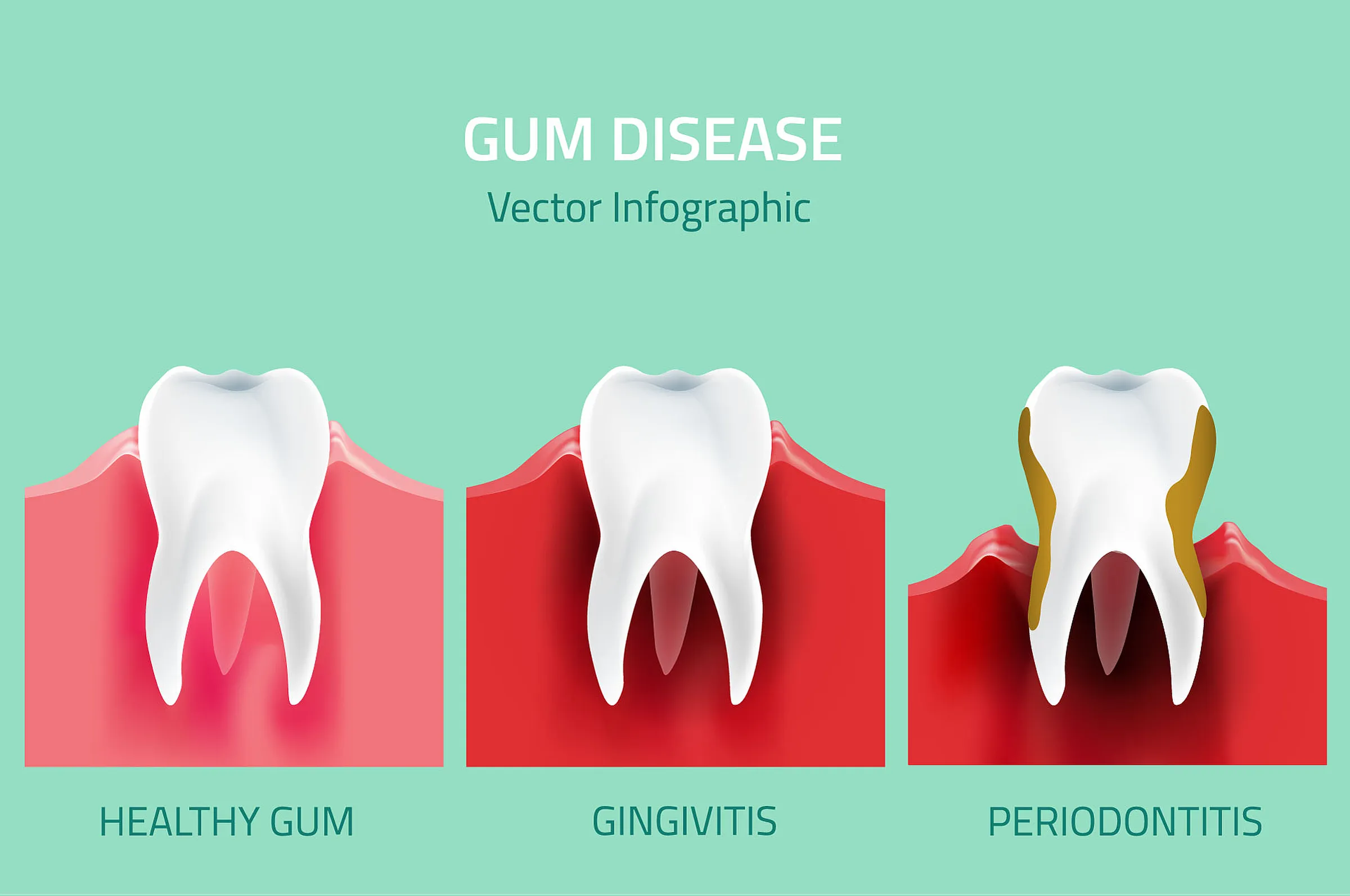
Reaching What A Cleaning Cannot
- Bacteria out of reachDeep pockets create space where bacteria and tartar are difficult to remove with non-surgical treatment alone.
- Ongoing bone loss riskUntreated deep pockets can continue to affect the bone supporting the tooth.
- Direct access neededSurgery allows the root surfaces and bone to be treated directly, rather than through the gum tissue.
- A follow-up to non-surgical careThis is generally considered after non-surgical periodontal treatment hasn’t fully resolved the pockets.
THE PROCEDURE
What Surgery Involves
- Numbing the areaLocal anesthetic is used to keep you comfortable throughout.
- Accessing the roots and boneGum tissue is gently reflected to reach the roots and underlying bone directly.
- Thorough cleaningDeposits and diseased tissue are removed, and bone may be reshaped if needed.
- Repositioning tissueThe gums are repositioned and secured to support healing.
AFTER SURGERY
Supporting Long-Term Stability
Following surgery, a more frequent periodontal maintenance schedule is often recommended to help keep treated areas stable over time.
Consistent home care and attending follow-up visits both play a real role in how well the results hold up.

Pocket Reduction Surgery FAQ
- What does pocket reduction surgery involve?
- Advanced periodontal disease can create deep pockets between the teeth and gums where bacteria and tartar are difficult to remove. Pocket reduction surgery provides direct access to the root surfaces and supporting bone so diseased tissue and deposits can be treated more thoroughly.
- How do I know whether this treatment is appropriate for me?
- Surgery is generally considered when deep pockets or persistent disease remain after non-surgical periodontal treatment. The specific procedure depends on pocket depth, bone anatomy and tooth prognosis.
- What should I expect from the treatment process?
- The gum tissue is gently reflected to access the roots and underlying bone. Deposits and diseased tissue are removed, and the bone may be reshaped if needed. The gums are then repositioned for healing.
- Is pocket reduction surgery painful?
- Local anesthetic is used during the procedure, and your dentist will guide you on managing any discomfort afterward.
- Will I need maintenance visits after this surgery?
- Many patients move to a more frequent periodontal maintenance schedule to help keep results stable.
- How do I know if I need surgery instead of scaling and root planing?
- This depends on how your pockets respond to non-surgical treatment, which your dentist evaluates at follow-up visits.
- Will my teeth look longer after this procedure?
- Because the gum tissue is repositioned, some patients notice more visible tooth structure afterward; your dentist can discuss what to expect.
- Can this surgery fully cure gum disease?
- It treats the current condition and creates a more manageable environment, but ongoing home care and maintenance remain important for keeping disease from returning.