



SURGICAL CARE
Gingivectomy
Remove selected excess or diseased gum tissue to improve periodontal access, health or contour.
A gingivectomy removes a controlled amount of gum tissue, most often to improve access for cleaning or restorative treatment, to treat certain periodontal pocket conditions, or to refine the gumline.
a smile made for you.
SURGICAL DENTISTRY
Gingivectomy at Valencia Dental Office
A gingivectomy removes a controlled amount of gum tissue. It may be used to reduce enlarged tissue, improve access for cleaning or restorative care, treat selected periodontal pocket conditions or refine the gumline in appropriate cases.
Whether tissue removal alone is sufficient, or whether the underlying bone also needs attention, is something your evaluation determines before treatment begins.
THE PROCEDURE
What to Expect During Treatment
- EvaluationWe determine whether tissue removal alone is appropriate or whether bone also needs treatment.
- Numbing the areaLocal anesthetic keeps the procedure comfortable.
- Removing and contouring tissueExcess tissue is carefully removed and shaped to a healthy, functional contour.
- Healing guidanceYou are given instructions to support comfortable healing.

WHEN THIS PROCEDURE HELPS
Improving Access and Gum Health
- Enlarged gum tissueExcess tissue can be reduced to improve both appearance and access for cleaning.
- Limited access for restorative workOvergrown tissue sometimes needs to be addressed before a filling or crown can be placed properly.
- Selected pocket conditionsCertain periodontal pocket conditions respond well to tissue removal alone.
- Gumline refinementIn select cases, this procedure can also improve gumline appearance.
SITUATIONS THAT CALL FOR TREATMENT
A Few Common Reasons for Gingivectomy
This procedure addresses a specific set of clinical situations.
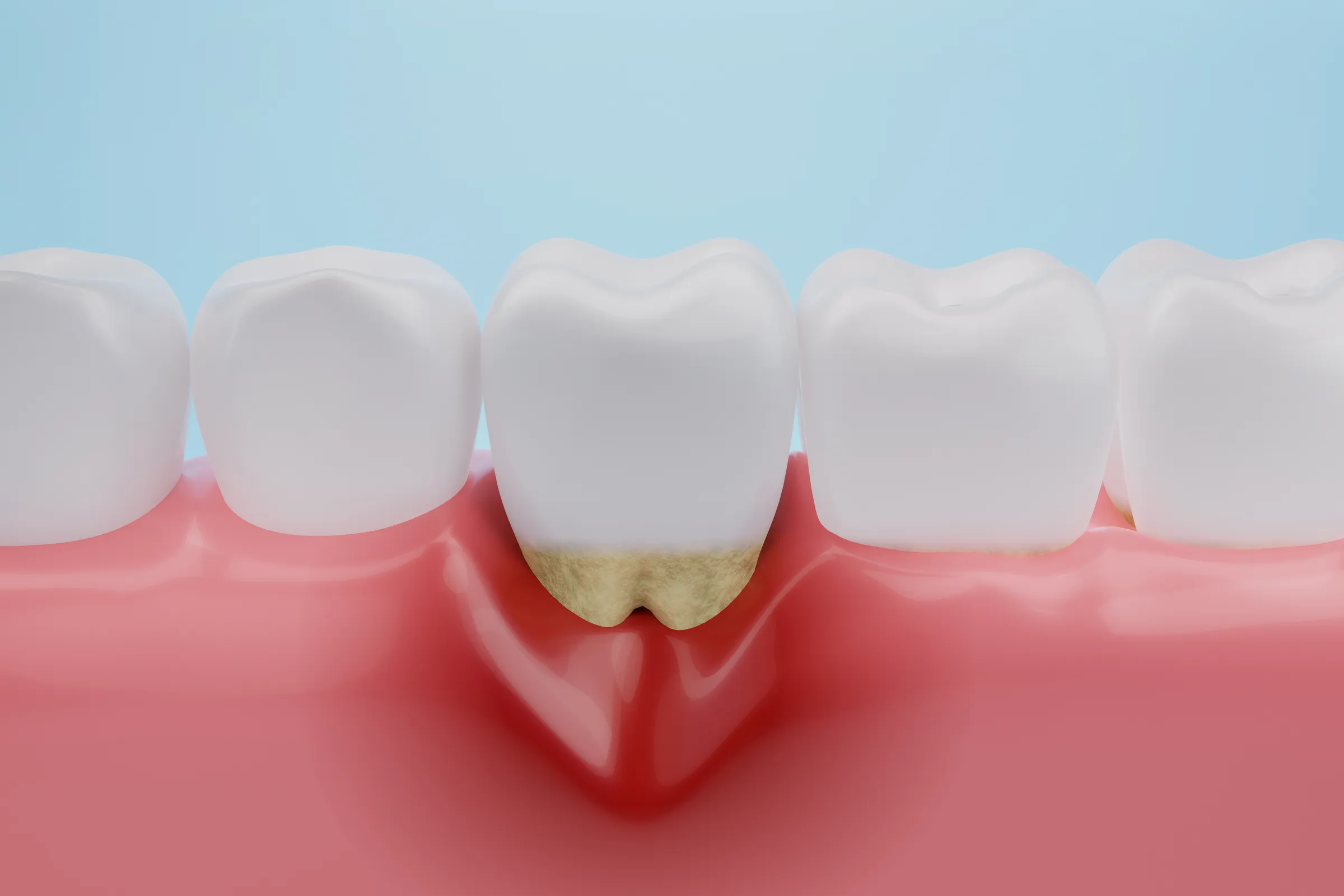
Gingival overgrowth
Tissue enlargement, sometimes related to certain medications, can be reduced to restore a healthy contour.
Restorative access
Excess tissue interfering with a filling or crown can be removed to allow proper placement.
Pocket reduction in select cases
Some shallow to moderate pockets can be addressed with tissue removal alone.
AFTER TREATMENT
Supporting Healthy Healing
Some tenderness in the days following treatment is normal as the gum tissue heals into its new contour.
Gentle, consistent oral hygiene around the treated area, as instructed by your dentist, supports the healing process.
IS THIS RIGHT FOR YOU?
When to Schedule a Visit
Gingivectomy is suitable only for certain gum conditions. If periodontal pockets are associated with bone defects or if a cosmetic change requires bone reshaping, another periodontal procedure may be more appropriate.
- Gum tissue appears enlarged or is difficult to keep clean
- A restoration cannot be properly placed due to excess gum tissue
- Your dentist has identified a pocket condition that may respond to this procedure
- You are interested in refining your gumline appearance

Gingivectomy FAQ
- What does gingivectomy involve?
- A gingivectomy removes a controlled amount of gum tissue. It may be used to reduce enlarged tissue, improve access for cleaning or restorative care, treat selected periodontal pocket conditions or refine the gumline in appropriate cases.
- How do I know whether this treatment is appropriate for me?
- Gingivectomy is suitable only for certain gum conditions. If periodontal pockets are associated with bone defects or if a cosmetic change requires bone reshaping, another periodontal procedure may be more appropriate.
- What should I expect from the treatment process?
- The gums are evaluated to determine whether tissue removal alone is appropriate or whether the underlying bone also needs treatment. The area is numbed and excess tissue is carefully removed and contoured.
- Is a gingivectomy painful?
- Local anesthetic is used during the procedure, and any discomfort afterward is generally manageable.
- Will my gums grow back to the way they were?
- Properly contoured tissue is generally stable, though your dentist will discuss what to expect for your specific case.
- How is this different from crown lengthening?
- A gingivectomy addresses tissue alone, while crown lengthening may also involve reshaping the underlying bone.
- How long is recovery?
- This varies by the extent of treatment; your dentist will give you guidance specific to your procedure.
- Can this procedure be combined with restorative treatment?
- Yes, it’s sometimes performed to create better access before a filling, crown or other restoration is placed.