



RESTORATIVE DENTISTRY
Root Canal
Relieve infection or inflammation inside a tooth while preserving the natural tooth whenever possible.
The goal of root canal treatment is to relieve the infection or inflammation inside a tooth while keeping the natural tooth in place whenever that’s a realistic option.

a smile made for you.
RESTORATIVE DENTISTRY
Root Canal at Valencia Dental Office
Root canal treatment is used when the pulp—the soft tissue inside a tooth containing nerves and blood vessels—becomes irreversibly inflamed or infected. Treatment removes the diseased pulp, disinfects the internal spaces and seals the tooth so it can remain in function.
Many patients are surprised that the procedure itself is aimed at relieving pain, not causing it — the discomfort that brings someone in is usually from the condition of the tooth, not the treatment.
IS THIS RIGHT FOR YOU?
When to Schedule a Visit
Root canal therapy may be recommended for deep decay, a crack, trauma or previous dental work that has damaged the pulp. Diagnosis typically uses symptoms, examination and dental imaging.
- You have persistent tooth pain, especially with hot or cold, or when biting down
- A tooth has a deep cavity, crack or previous dental work that has affected the nerve
- You’ve noticed swelling or a bump on the gum near a specific tooth
- You want to understand whether the tooth can be saved before considering extraction
THE PROCEDURE
What Happens During Treatment
- Anesthetizing the toothThe tooth and surrounding area are numbed before treatment begins.
- Accessing the canalsA small opening is made to reach the infected or inflamed tissue inside the tooth.
- Cleaning and shapingThe canals are cleaned, disinfected and shaped to prepare them for sealing.
- Sealing the toothThe cleaned space is sealed, and many teeth need a crown afterward for long-term protection.

WHY THE PULP GETS TREATED
Addressing the Source of the Problem
- Irreversible inflammation or infectionOnce the pulp — nerves and blood vessels inside the tooth — reaches this state, it cannot heal on its own.
- Common causesDeep decay, a crack, trauma or previous dental work can all lead to this condition.
- Preserving the toothTreatment removes the affected tissue while preserving the outer structure of the tooth whenever possible.
- Diagnosis firstSymptoms, examination and imaging together confirm whether root canal treatment is the right next step.
A CLOSER LOOK
What Can Affect Your Treatment
A few factors influence how root canal treatment is approached for a specific tooth.
Number of canals
Molars typically have more canals than front teeth, which can affect treatment complexity.
Degree of infection
More extensive infection may require additional steps to fully address before sealing the tooth.
Retreatment cases
A tooth that has had root canal treatment before may need a different approach if a problem recurs.
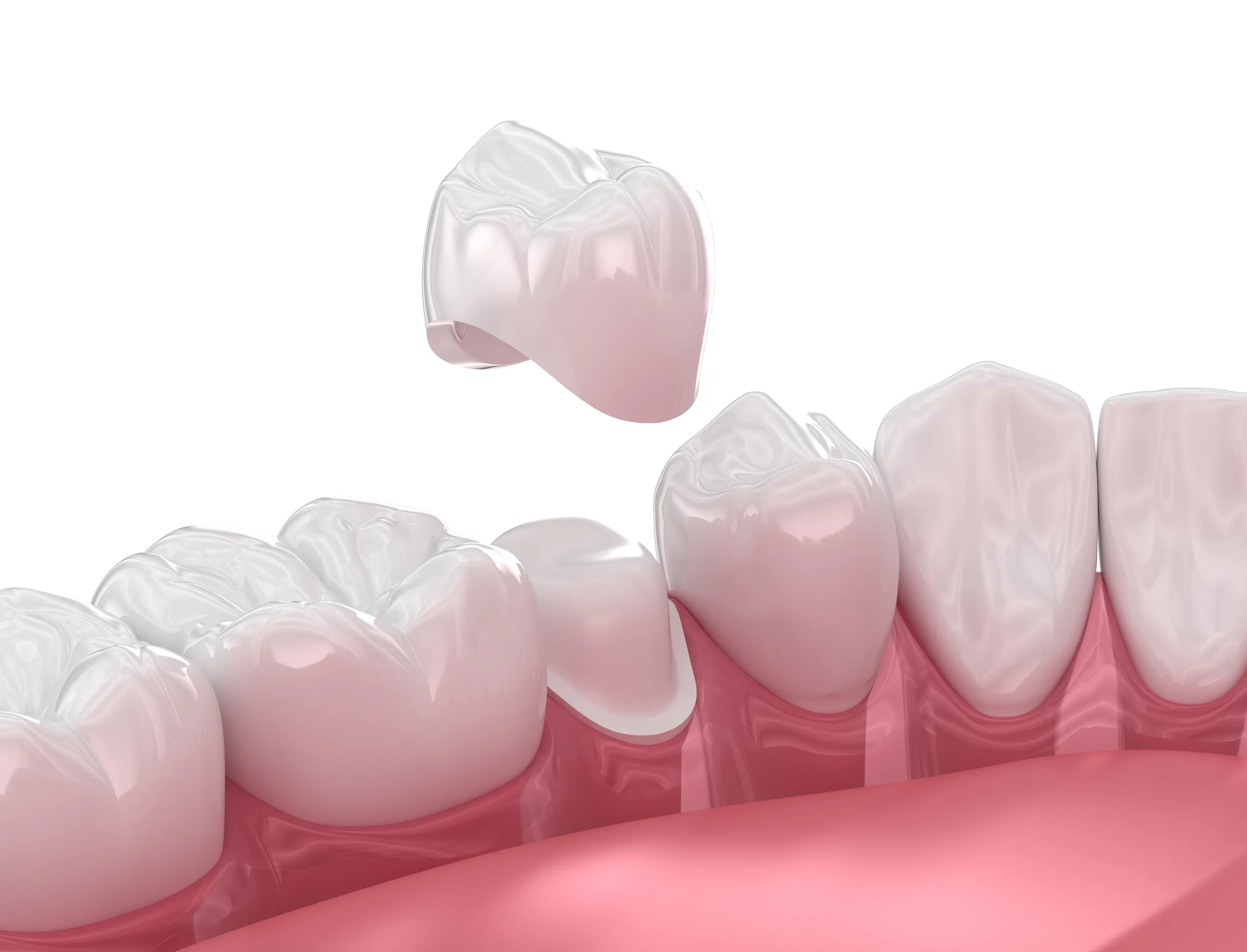
WHAT COMES AFTER
Protecting the Tooth Once Treatment Is Complete
Many back teeth and structurally weakened teeth need a crown after root canal treatment, since the tooth can be more fragile once the internal tissue is removed.
With a properly restored tooth, a root canal-treated tooth can generally continue functioning like the rest of your teeth for a long time.
Root Canal FAQ
- What does root canal involve?
- Root canal treatment is used when the pulp—the soft tissue inside a tooth containing nerves and blood vessels—becomes irreversibly inflamed or infected. Treatment removes the diseased pulp, disinfects the internal spaces and seals the tooth so it can remain in function.
- How do I know whether this treatment is appropriate for me?
- Root canal therapy may be recommended for deep decay, a crack, trauma or previous dental work that has damaged the pulp. Diagnosis typically uses symptoms, examination and dental imaging.
- What should I expect from the treatment process?
- After the tooth is anesthetized, a small opening is made to access the canals. The infected or inflamed tissue is removed, the canals are cleaned and shaped, and the space is sealed. Many back teeth and structurally weakened teeth need a crown afterward.
- Is root canal treatment painful?
- The tooth is numbed before treatment, so the procedure itself is generally no more uncomfortable than having a filling placed.
- Do I need a crown after a root canal?
- Many back teeth and structurally weakened teeth do, since they can be more fragile once treated; your dentist will discuss whether this applies to you.
- How do I know if I need a root canal instead of an extraction?
- This depends on how much healthy tooth structure remains and the specific diagnosis, which your dentist will discuss with you.
- How long does a root canal take?
- This varies by tooth and case complexity, and your dentist can give you a more specific estimate at your evaluation.
- What happens if I don’t treat an infected tooth?
- The infection or inflammation will not resolve on its own and can worsen over time, which is why prompt evaluation matters.