


RESTORATIVE DENTISTRY
Dental Implants
Replace missing teeth with implant-supported restorations designed for stability, function and a natural appearance.
An implant replaces what a missing tooth actually needs — a root — which is part of why implant-supported restorations tend to feel more like natural teeth than some other replacement options.
a smile made for you.
RESTORATIVE DENTISTRY
Dental Implants at Valencia Dental Office
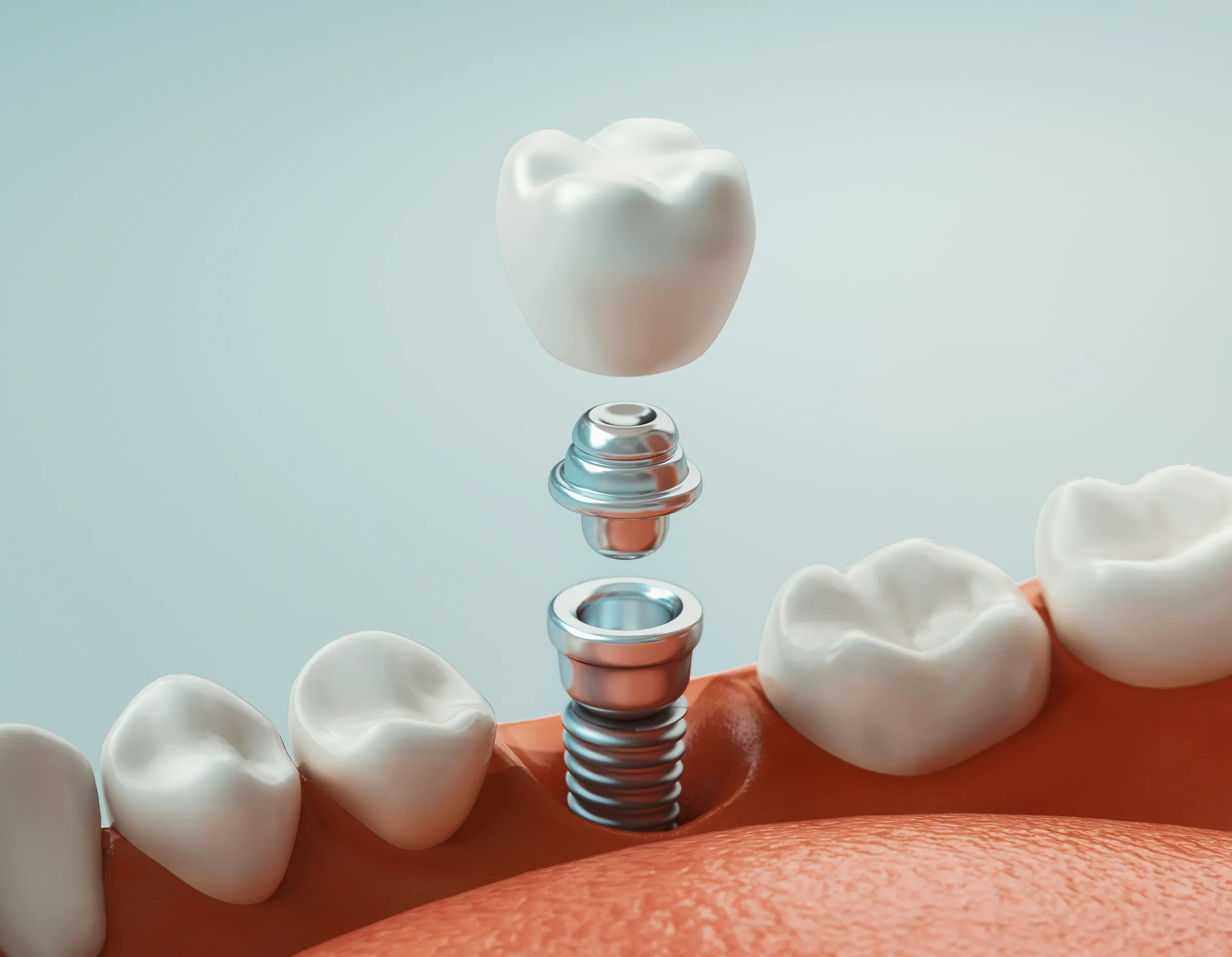
A dental implant is a small biocompatible post placed in the jawbone to replace the root portion of a missing tooth. After the implant integrates with the bone, it can support a crown, bridge or denture depending on how many teeth need to be replaced.
Because success depends on the bone integrating with the implant, planning is careful and sometimes happens in more than one stage.
YOUR OPTIONS
What Dental Implants Includes
All-on-4 Implants
All-on-4 is a full-arch concept in which four strategically positioned implants support a fixed prosthesis for an entire upper or lower arch. Suitability depends on anatomy, bone, bite and restorative goals.
All-on-6 Implants
An All-on-6 approach uses six implants to support a full-arch restoration when the anatomy and treatment plan favour additional implant support. The number and position of implants are determined during planning.
Mini Dental Implants
Mini implants have a smaller diameter than conventional implants and may be used for selected indications, including certain denture-stabilization situations. They are not a substitute for conventional implants in every case.
Implant Retained Crowns
A single implant can support a custom crown to replace an individual missing tooth without preparing the neighbouring teeth for a traditional bridge.
Implant Supported Bridge
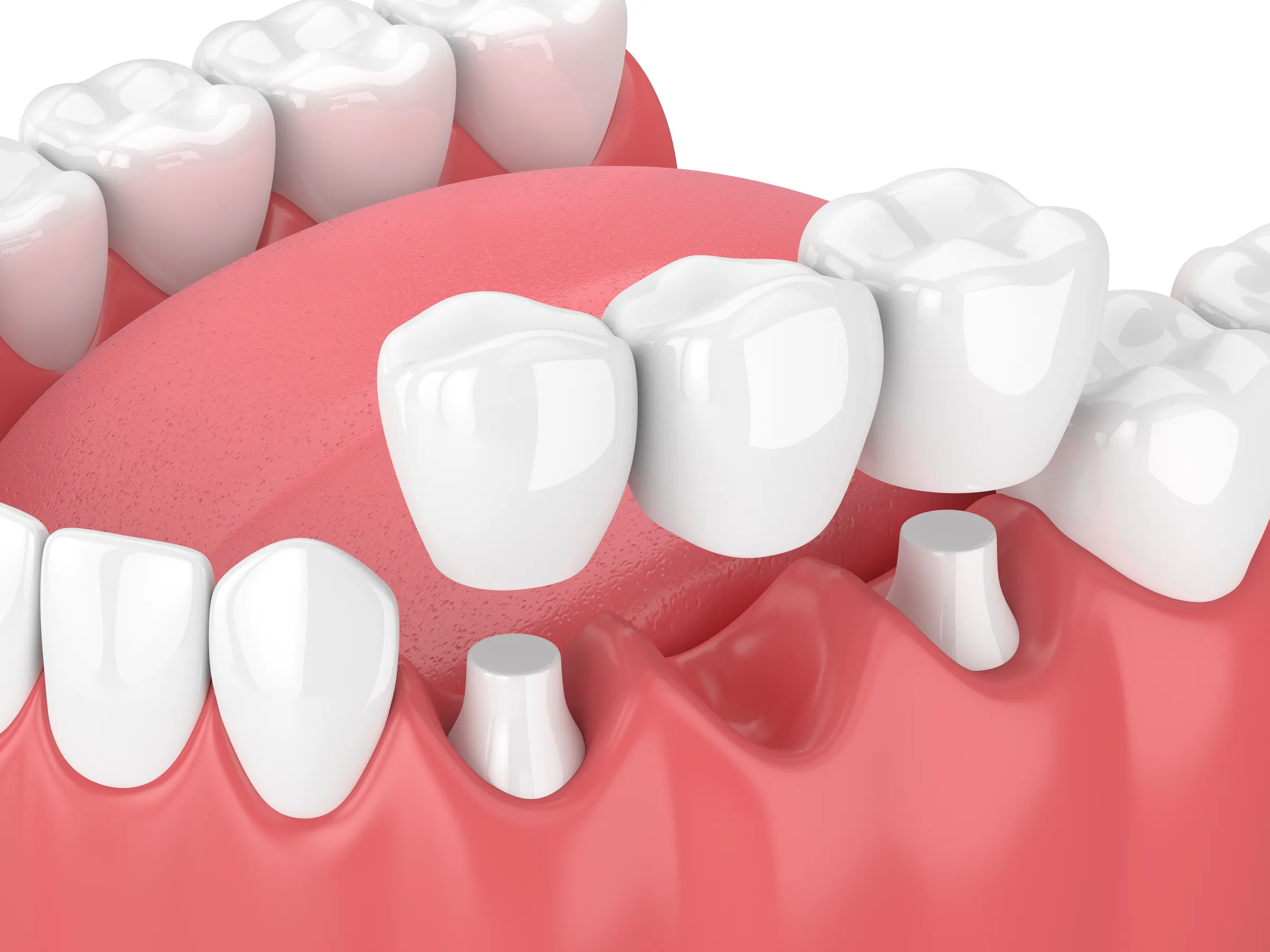
Implants can support a fixed bridge when several adjacent teeth are missing, reducing or eliminating the need to use natural teeth as bridge abutments.
Implant Supported Dentures
Selected dentures can attach to implants for improved retention and stability. Designs range from removable implant-retained overdentures to fixed full-arch prostheses.
WHAT INFLUENCES YOUR PLAN
Every Implant Case Starts With Anatomy
- Available boneImaging shows whether there is enough bone to support an implant in the planned position, or whether grafting is needed first.
- Gum healthHealthy surrounding tissue supports both the surgical process and the long-term stability of the implant.
- Number of teeth involvedA single missing tooth, several teeth or an entire arch each call for a different implant approach.
- Your overall healthMedical history and habits like smoking can affect healing and candidacy.
THE TREATMENT JOURNEY
From Evaluation to Final Restoration
- Evaluation and imagingYour health, gums, bite and available bone are assessed using diagnostic imaging.
- Planning implant positionThe number and placement of implants are planned around your anatomy and restorative goals.
- PlacementThe implant is placed in the jawbone, sometimes alongside grafting if needed.
- RestorationOnce integration is confirmed, a crown, bridge or denture is attached to complete the restoration.
THE ROLE OF BONE
Why Some Cases Need Grafting First
When imaging shows insufficient bone in the planned area, grafting can rebuild the volume needed before or during implant placement.
Not every case needs this step — your evaluation will show whether your existing bone is sufficient or whether grafting should be part of your plan.
IS THIS RIGHT FOR YOU?
When to Schedule a Visit
Implant candidacy depends on bone availability, gum health, medical history, smoking status, oral hygiene and the demands of the planned restoration. A clinical examination and imaging are required before treatment can be recommended.
- You are missing one or more teeth and want a fixed, stable replacement
- You currently wear a removable denture and are curious about implant support
- You have had a tooth extracted and want to discuss replacement options
- You want to understand whether you have enough bone for implants

Dental Implants FAQ
- What does dental implants involve?
- A dental implant is a small biocompatible post placed in the jawbone to replace the root portion of a missing tooth. After the implant integrates with the bone, it can support a crown, bridge or denture depending on how many teeth need to be replaced.
- How do I know whether this treatment is appropriate for me?
- Implant candidacy depends on bone availability, gum health, medical history, smoking status, oral hygiene and the demands of the planned restoration. A clinical examination and imaging are required before treatment can be recommended.
- What should I expect from the treatment process?
- Implant treatment begins with an evaluation of your health, gums, bite and available bone. Diagnostic imaging is used to plan implant position. Some patients need grafting before or at the time of implant placement.
- How long does the implant process take from start to finish?
- Timelines vary widely depending on whether grafting is needed and how many teeth are involved; your dentist will lay out a timeline specific to your plan.
- Do implants feel different from natural teeth?
- Many patients find implant-supported restorations feel and function very similarly to natural teeth once healing is complete.
- Can I get an implant if I’ve been told I don’t have enough bone?
- Bone grafting can often address this — a fresh evaluation with imaging is the best way to know your current options.
- How many implants are needed to replace a full arch?
- This depends on the specific treatment plan; concepts like All-on-4 or All-on-6 use different numbers of implants for a full arch.
- What happens if an implant doesn’t integrate with the bone?
- This is uncommon but possible; your dentist would discuss next steps, which may include another attempt after further healing.