


PREVENTIVE DENTISTRY
Scaling and Root Planing
Deep periodontal cleaning to remove bacterial deposits below the gumline and help inflamed tissues heal.
Scaling and root planing goes below the gumline, targeting the hardened deposits and bacteria that a routine cleaning is not designed to reach.

a smile made for you.

PREVENTIVE DENTISTRY
Scaling and Root Planing at Valencia Dental Office
Scaling and root planing is a non-surgical periodontal treatment used when plaque and hardened tartar have accumulated below the gumline and gum disease has created deeper pockets around the teeth. The goal is to thoroughly clean affected root surfaces and reduce the bacterial burden driving inflammation.
Because gum disease affects different areas to different degrees, treatment is often completed by section of the mouth rather than in a single pass.
IS THIS RIGHT FOR YOU?
When to Schedule a Visit
Scaling and root planing is generally recommended when examination and periodontal measurements indicate active gum disease that cannot be managed with a routine cleaning alone.
- An exam has shown periodontal pockets deeper than a routine cleaning addresses
- Your gums bleed, feel tender or look inflamed
- You’ve noticed your teeth feel loose or your gums have receded
- Your dentist has recommended treatment beyond a standard cleaning
AFTER TREATMENT
What Happens Next
Scaling and root planing is often just the first step in managing active gum disease.
Healing check
Tissue is re-evaluated at a follow-up visit to see how it has responded.
A maintenance schedule
Many patients move to a periodontal maintenance schedule afterward.
Continued monitoring
Pocket depths continue to be tracked at future visits.
WHAT MAKES THIS DIFFERENT
Treating Below The Gumline
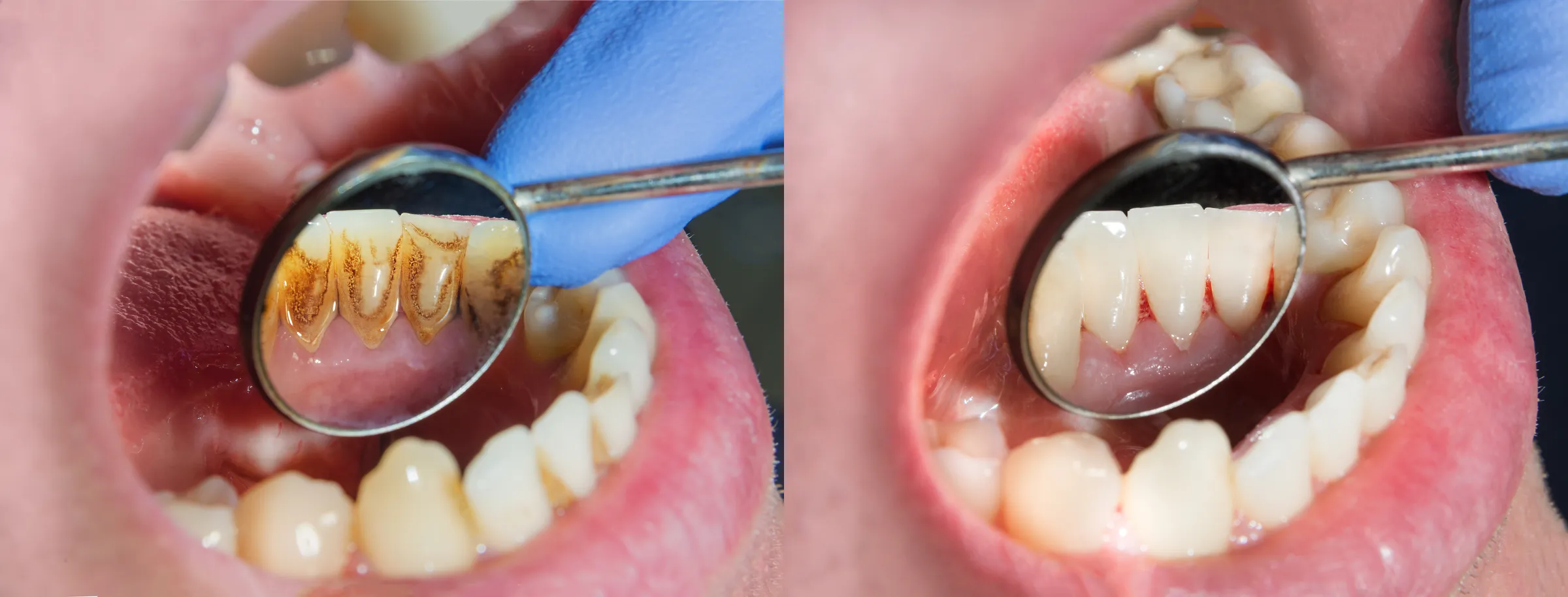
- ScalingRemoves plaque and tartar from the tooth surface and the areas just below the gumline.
- Root planingSmooths root surfaces so it’s harder for bacteria and tartar to reattach.
- Local anesthetic when neededNumbing can be used to keep treatment comfortable, especially in areas with deeper pockets.
- Completed in stagesTreatment may be done side by side or quadrant by quadrant, rather than the entire mouth at once.
THE TREATMENT
What to Expect During Treatment
- Numbing the areaLocal anesthetic is used as needed for comfort during treatment.
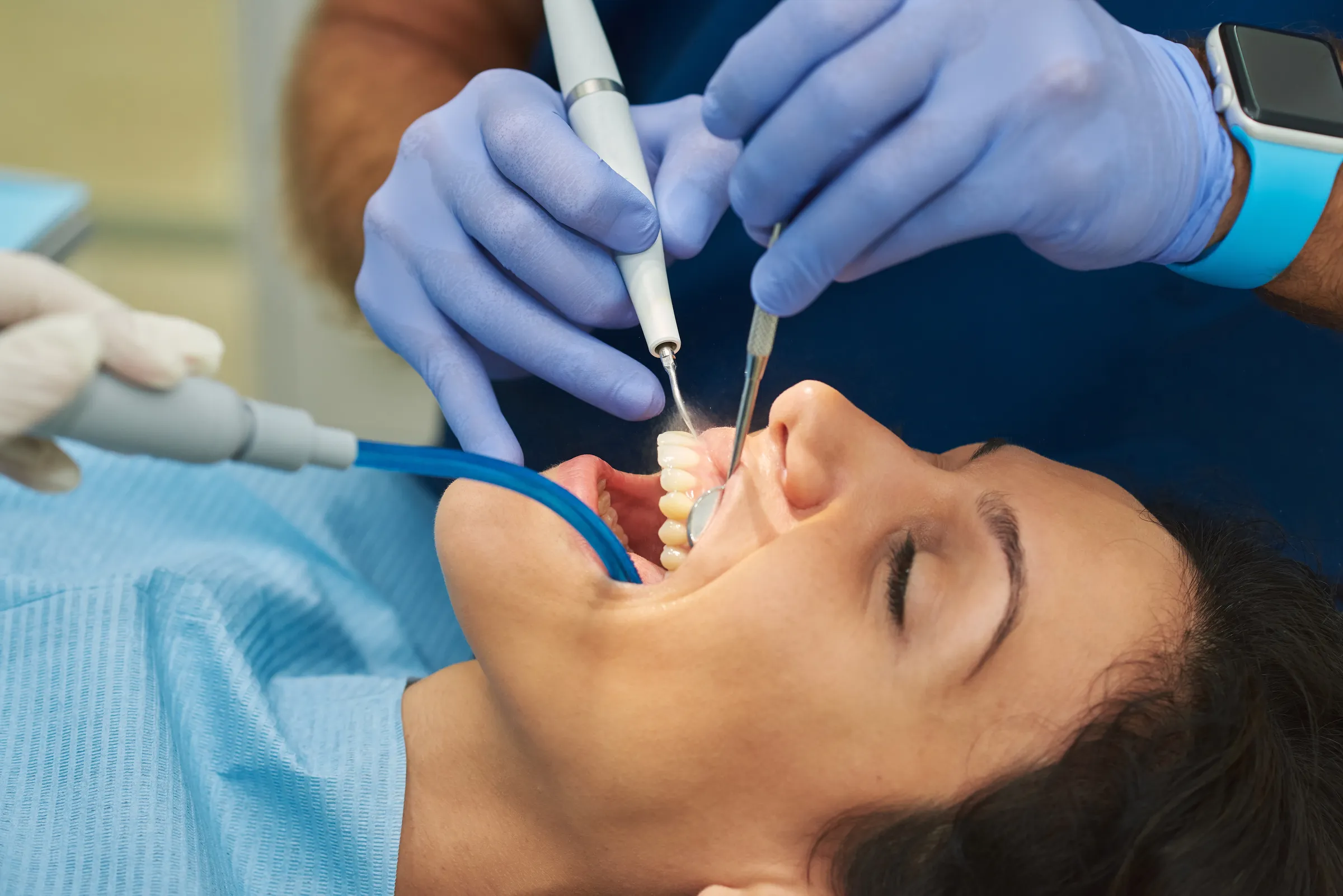
- Removing depositsPlaque and tartar are removed from beneath the gumline using hand or ultrasonic instruments.
- Smoothing root surfacesRoot surfaces are smoothed to discourage further bacterial buildup.
- Re-evaluationA follow-up visit checks how the gum tissue has responded to treatment.
AFTER YOUR APPOINTMENT
Supporting The Healing Process
Some tenderness or sensitivity in the days following treatment is common as the gum tissue begins to heal and tighten around the teeth.
Following your dentist’s home-care instructions during this period supports healing and helps set up a more stable result going forward.
Scaling and Root Planing FAQ
- What does scaling and root planing involve?
- Scaling and root planing is a non-surgical periodontal treatment used when plaque and hardened tartar have accumulated below the gumline and gum disease has created deeper pockets around the teeth. The goal is to thoroughly clean affected root surfaces and reduce the bacterial burden driving inflammation.
- How do I know whether this treatment is appropriate for me?
- Scaling and root planing is generally recommended when examination and periodontal measurements indicate active gum disease that cannot be managed with a routine cleaning alone.
- What should I expect from the treatment process?
- Treatment may be completed by area or side of the mouth and local anesthetic can be used for comfort. After treatment, the gums are re-evaluated to determine how well the tissues have responded.
- Is scaling and root planing painful?
- Local anesthetic can be used to keep the area comfortable, and any soreness afterward is typically manageable and short-lived.
- How many visits does treatment usually take?
- This varies, since treatment is often completed by section of the mouth rather than all at once; your dentist will explain the plan for your case.
- Will I need maintenance visits after this treatment?
- Many patients move to a periodontal maintenance schedule afterward to help keep the disease from returning.
- How will I know if the treatment worked?
- A follow-up evaluation checks pocket depths and tissue health to see how well the area has responded.
- Can gum disease come back after treatment?
- It can, particularly without consistent home care and maintenance visits, which is why ongoing monitoring is part of the plan.