



PREVENTIVE DENTISTRY
Dental Sealants
A thin protective coating that helps shield cavity-prone grooves on back teeth.
Sealants add a smooth protective layer over the deep pits and grooves on chewing surfaces — areas that a toothbrush bristle often cannot fully reach.

a smile made for you.
PREVENTIVE DENTISTRY
Dental Sealants at Valencia Dental Office
Molars and premolars have natural pits and grooves that can trap food and bacteria. Dental sealants create a smooth protective barrier over selected chewing surfaces to make these areas easier to keep clean and reduce the risk of decay.
They are most commonly placed on newly erupted permanent molars, though some adults with deep grooves and no existing decay in the area may also be candidates.
WHO BENEFITS MOST
Good Candidates for Sealants
Sealants are commonly recommended in a few specific situations.
Newly erupted molars
Especially useful in children and teens as adult molars come in.
Deep grooves in adults
Adults with pronounced pits and grooves and no existing decay may also benefit.
Cavity-prone patients
Anyone with a history of decay in similar areas may be a good candidate.
WHY GROOVES ARE VULNERABLE
Where Cavities Often Start
- Natural pits and groovesMolars and premolars have deep, uneven surfaces that make thorough brushing more difficult.
- Bacteria and food get trappedTrapped material in these grooves can sit undisturbed longer than on smoother tooth surfaces.
- Newly erupted teeth are most at riskNew molars haven’t yet benefited from years of exposure to fluoride and careful brushing.
- No drilling requiredSealants are applied directly to an intact tooth surface, without removing any tooth structure.
PLACING A SEALANT
A Quick, Comfortable Process
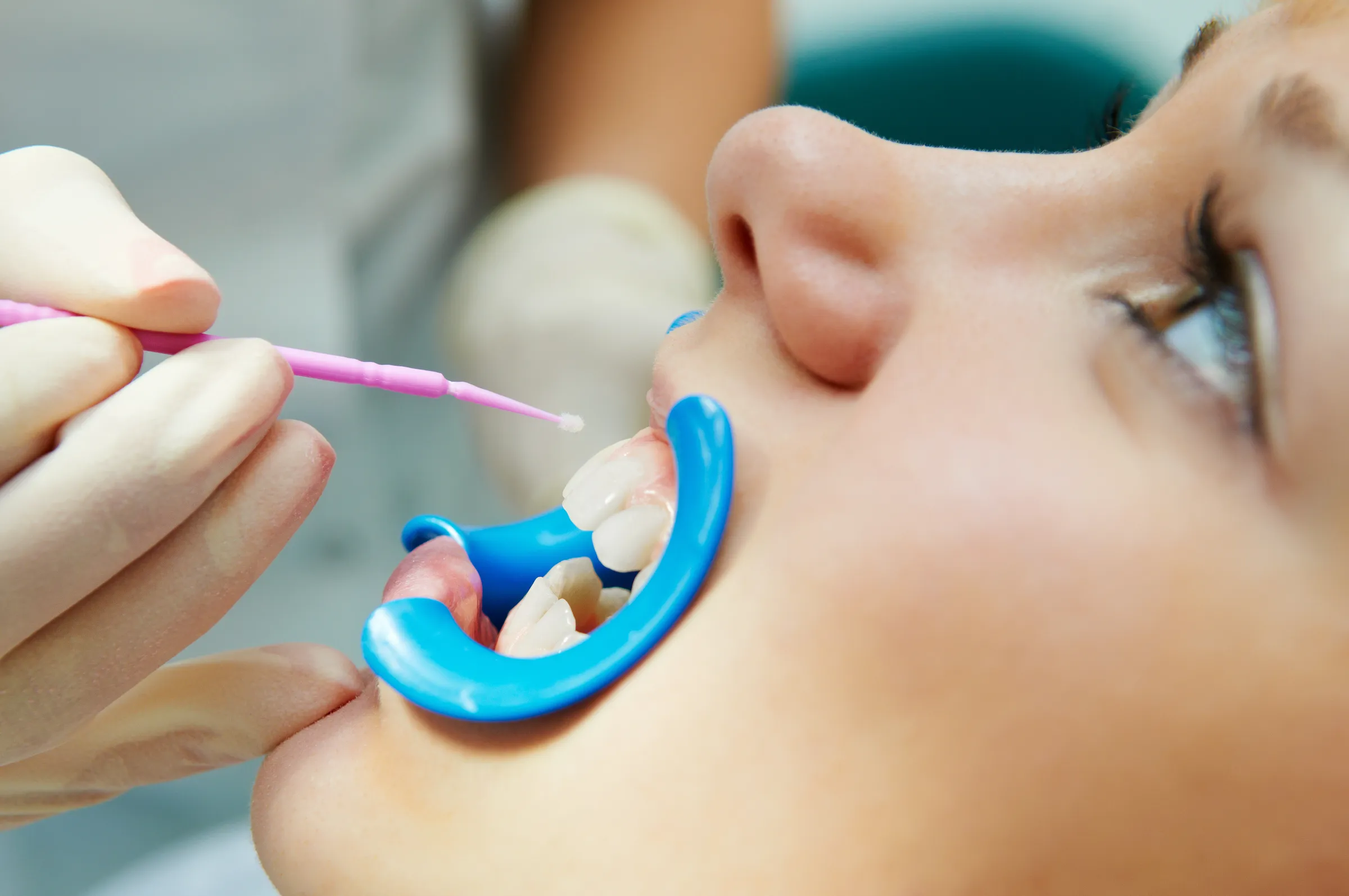
- Cleaning the toothThe chewing surface is cleaned and dried to prepare it for the sealant material.
- Applying the sealantA liquid resin is flowed into the pits and grooves of the tooth.
- Hardening the materialA curing light hardens the sealant into a smooth protective layer.
- Checking the biteYour dentist confirms the sealant does not interfere with your normal bite.
HOW LONG SEALANTS LAST
Checking Them At Routine Visits
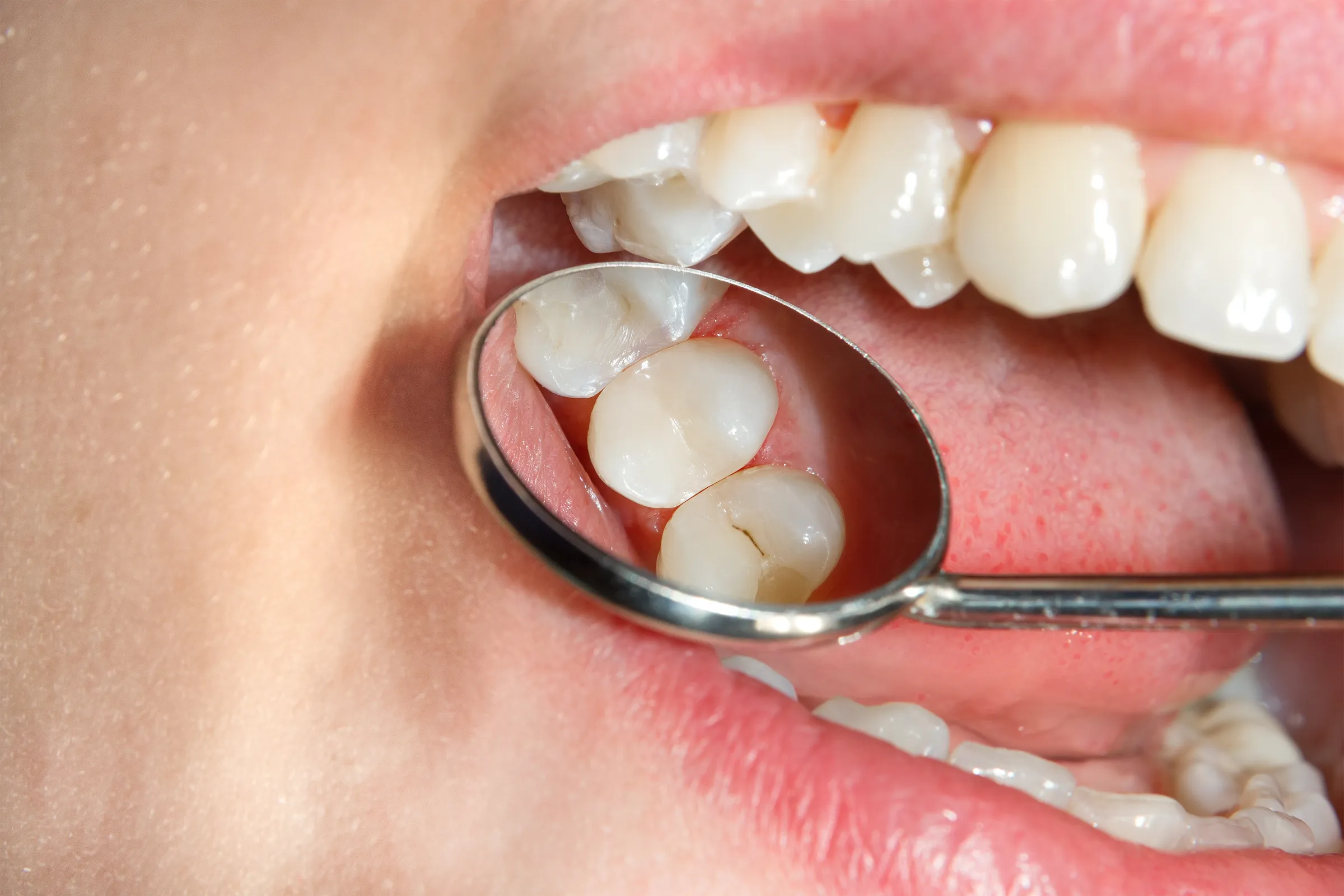
Sealants can wear gradually with normal chewing over the years, which is why they are checked at routine exams rather than assumed to last indefinitely.
A worn or chipped sealant can typically be touched up or reapplied, so mentioning it at your next visit is worthwhile.
IS THIS RIGHT FOR YOU?
When to Schedule a Visit
Sealants are commonly recommended for newly erupted permanent molars in children, but adults with deep grooves and no existing restoration or decay in the area may also benefit.
- Your child’s new permanent molars have recently come in
- You have deep grooves on your back teeth with no current decay
- You have a history of cavities in similar areas
- You want a conservative way to add extra protection between checkups

Dental Sealants FAQ
- What does dental sealants involve?
- Molars and premolars have natural pits and grooves that can trap food and bacteria. Dental sealants create a smooth protective barrier over selected chewing surfaces to make these areas easier to keep clean and reduce the risk of decay.
- How do I know whether this treatment is appropriate for me?
- Sealants are commonly recommended for newly erupted permanent molars in children, but adults with deep grooves and no existing restoration or decay in the area may also benefit.
- What should I expect from the treatment process?
- The tooth is cleaned and prepared, then the sealant material is flowed into the grooves and hardened. No drilling is typically needed when a sealant is placed on an intact tooth.
- Are sealants only for children?
- No, while they’re most commonly placed on newly erupted molars in children and teens, adults with deep grooves and no decay may also be candidates.
- Do sealants replace the need for brushing and flossing?
- No, they add protection to hard-to-clean grooves but do not replace daily brushing and flossing or regular cleanings.
- How long does a sealant last?
- This varies by patient and is checked at routine visits, since normal chewing can gradually wear the material.
- Does getting a sealant hurt?
- No, since no drilling or anesthetic is typically needed to apply a sealant to an intact tooth.
- Can a sealant be placed over a tooth that already has a small filling?
- Sealants are intended for intact tooth surfaces without decay or restorations in the specific area being sealed; your dentist will confirm if it’s appropriate for a specific tooth.