



PREVENTIVE DENTISTRY
Dental Cleaning
Professional preventive care to remove plaque and tartar and help keep teeth and gums healthy.
A cleaning does more than remove plaque — it’s also a regular chance for your hygienist and dentist to notice small changes in your gums, teeth and bite before they become bigger concerns.

a smile made for you.
PREVENTIVE DENTISTRY
Dental Cleaning at Valencia Dental Office
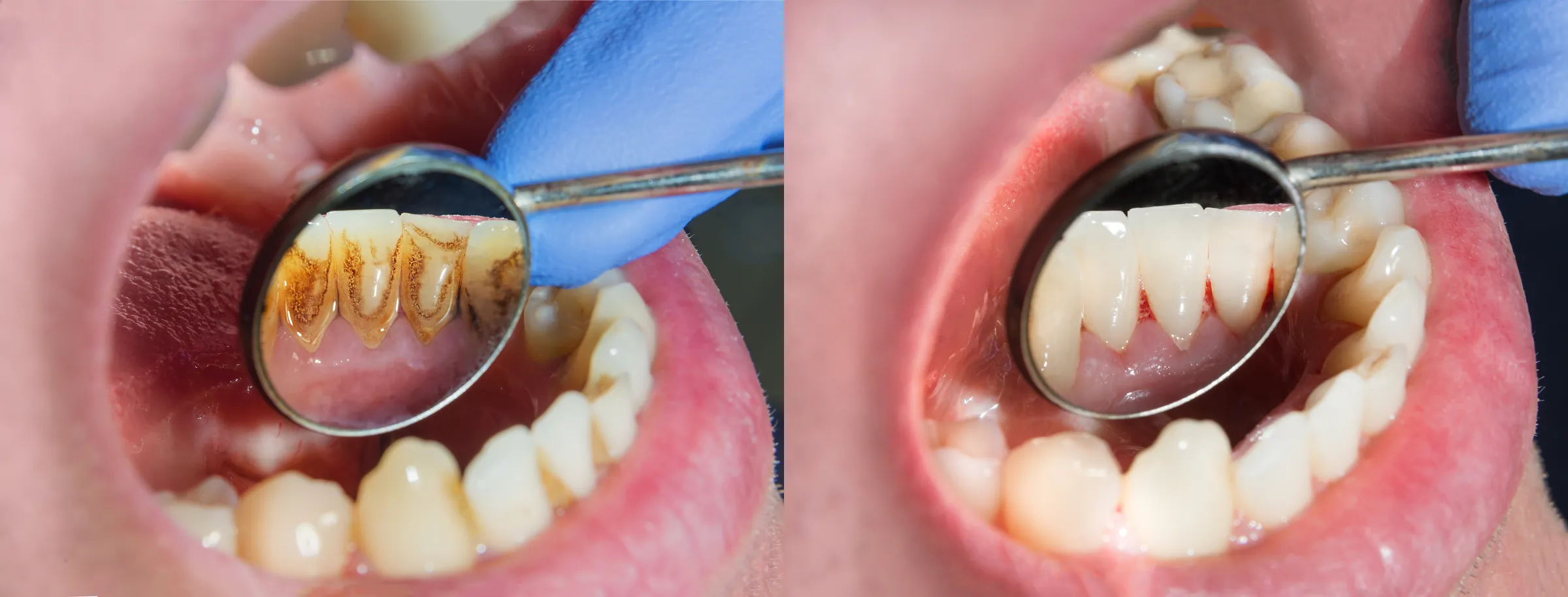
Routine dental cleanings are an important part of preventive care. Even with consistent brushing and flossing, hardened tartar can develop in areas that are difficult to clean at home. Professional cleaning removes these deposits and gives the dental team an opportunity to monitor changes in your oral health.
How often you need to come in is based on your own oral health and risk, not a one-size interval applied to every patient.
THE APPOINTMENT
What to Expect At Your Visit
- Gum and tooth checkYour hygienist reviews your gum health and looks for any changes since your last cleaning.
- ScalingPlaque and tartar are removed from the teeth and around the gumline.
- Flossing and polishingTeeth are flossed and polished to finish the cleaning.
- Dentist reviewYour dentist checks in to review findings and answer any questions.
WHAT HAPPENS AT A CLEANING
More Than Just Polishing
- Removing plaque and tartarHardened deposits that brushing and flossing cannot reach are removed with hand or ultrasonic instruments.
- Checking the gumlineYour hygienist notes any areas of inflammation, bleeding or recession along the way.
- PolishingA final polish smooths the tooth surface and removes surface stain.
- A chance to ask questionsCleanings are a natural moment to raise anything you’ve noticed since your last visit.
KEEPING TIME BETWEEN VISITS
What Helps In Between Cleanings
A professional cleaning works best alongside consistent care at home.
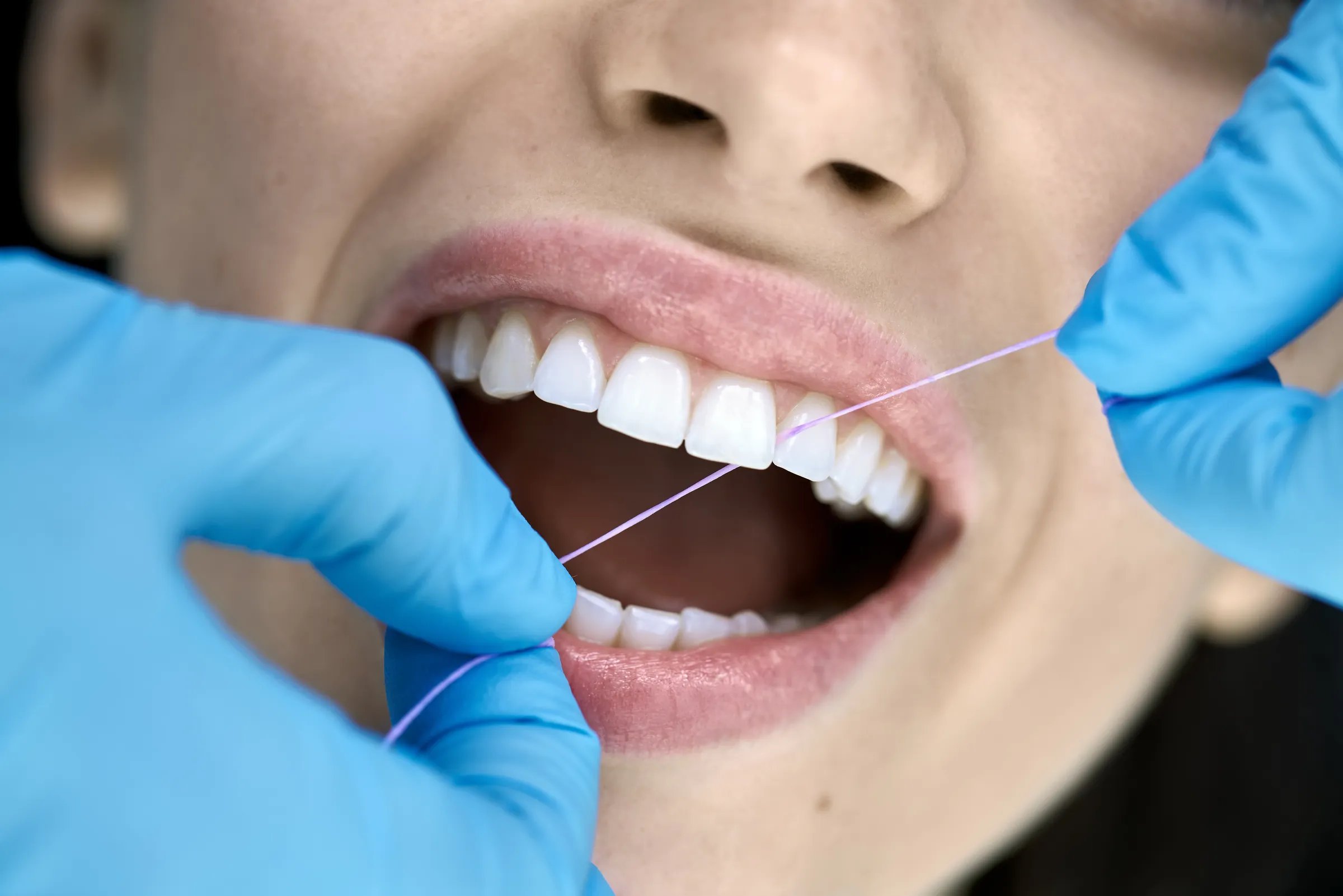
Daily brushing and flossing
The foundation that keeps plaque from building up between visits.
Consistent recall intervals
Coming in on the schedule recommended for your risk level.
Flagging changes early
Mentioning new sensitivity, bleeding or discomfort as soon as you notice it.
HOME CARE THAT COMPLEMENTS YOUR VISIT
What You Do Between Appointments Counts
Professional cleanings remove what daily brushing and flossing cannot reach, but they work best as a complement to consistent home care, not a replacement for it.
If brushing or flossing consistently causes bleeding or discomfort, mention it — that’s useful information for your next visit, not something to push through.
IS THIS RIGHT FOR YOU?
When to Schedule a Visit
Routine prophylaxis is intended for patients without active periodontal disease requiring deeper therapy. Patients with a history of gum disease may need periodontal maintenance instead.
- It’s been longer than recommended since your last cleaning
- Your gums bleed when you brush or floss
- You’ve noticed new tartar buildup or rough spots on your teeth
- You want to confirm your current recall interval still makes sense

Dental Cleaning FAQ
- What does dental cleaning involve?
- Routine dental cleanings are an important part of preventive care. Even with consistent brushing and flossing, hardened tartar can develop in areas that are difficult to clean at home. Professional cleaning removes these deposits and gives the dental team an opportunity to monitor changes in your oral health.
- How do I know whether this treatment is appropriate for me?
- Routine prophylaxis is intended for patients without active periodontal disease requiring deeper therapy. Patients with a history of gum disease may need periodontal maintenance instead.
- What should I expect from the treatment process?
- During a routine cleaning, deposits are removed from the teeth and around the gumline using hand or ultrasonic instruments as appropriate. The teeth may then be polished and flossed.
- How often should I get a professional cleaning?
- Many patients are seen twice a year, but your specific interval depends on your oral health and risk, which we will discuss with you.
- Does a cleaning hurt?
- Routine cleanings are generally comfortable; let your hygienist know if any area feels sensitive so they can adjust their approach.
- Why do my teeth feel so smooth after a cleaning?
- Removing plaque, tartar and surface stain, followed by polishing, is what creates that smooth feeling.
- Can a cleaning fix bleeding gums?
- A cleaning helps by removing the buildup that irritates gum tissue, but ongoing bleeding should be evaluated further, since it can signal gum disease.
- What’s the difference between a routine cleaning and periodontal maintenance?
- Routine cleaning is for patients without active gum disease requiring deeper therapy; periodontal maintenance is a different, more frequent schedule for patients who have been treated for gum disease.