



ORTHODONTIC CARE
Retainers
Protect the alignment you worked for with a retention plan designed to keep teeth in their new positions.
Teeth are never entirely finished moving — retainers are what keep them from drifting back after the work of orthodontic or aligner treatment.
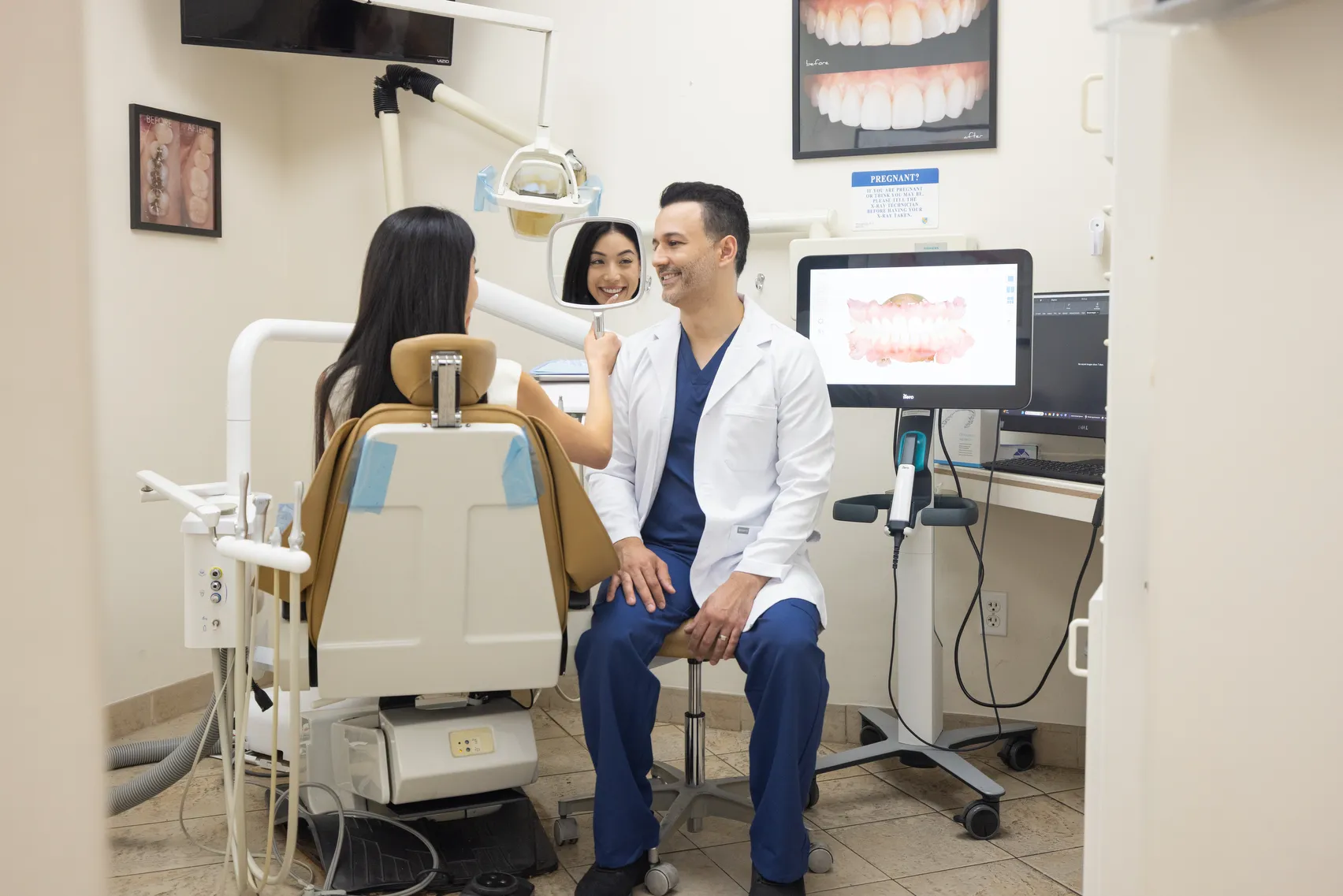
a smile made for you.
ORTHODONTIC DENTISTRY
Retainers at Valencia Dental Office
Teeth naturally have a tendency to shift after orthodontic treatment. Retainers help maintain the result by holding teeth in their corrected positions while the surrounding bone and tissues adapt and as normal lifelong changes continue.
How long and how often a retainer needs to be worn depends on your treatment and how your bite has settled, which is why the plan is reviewed rather than fixed at a single visit.
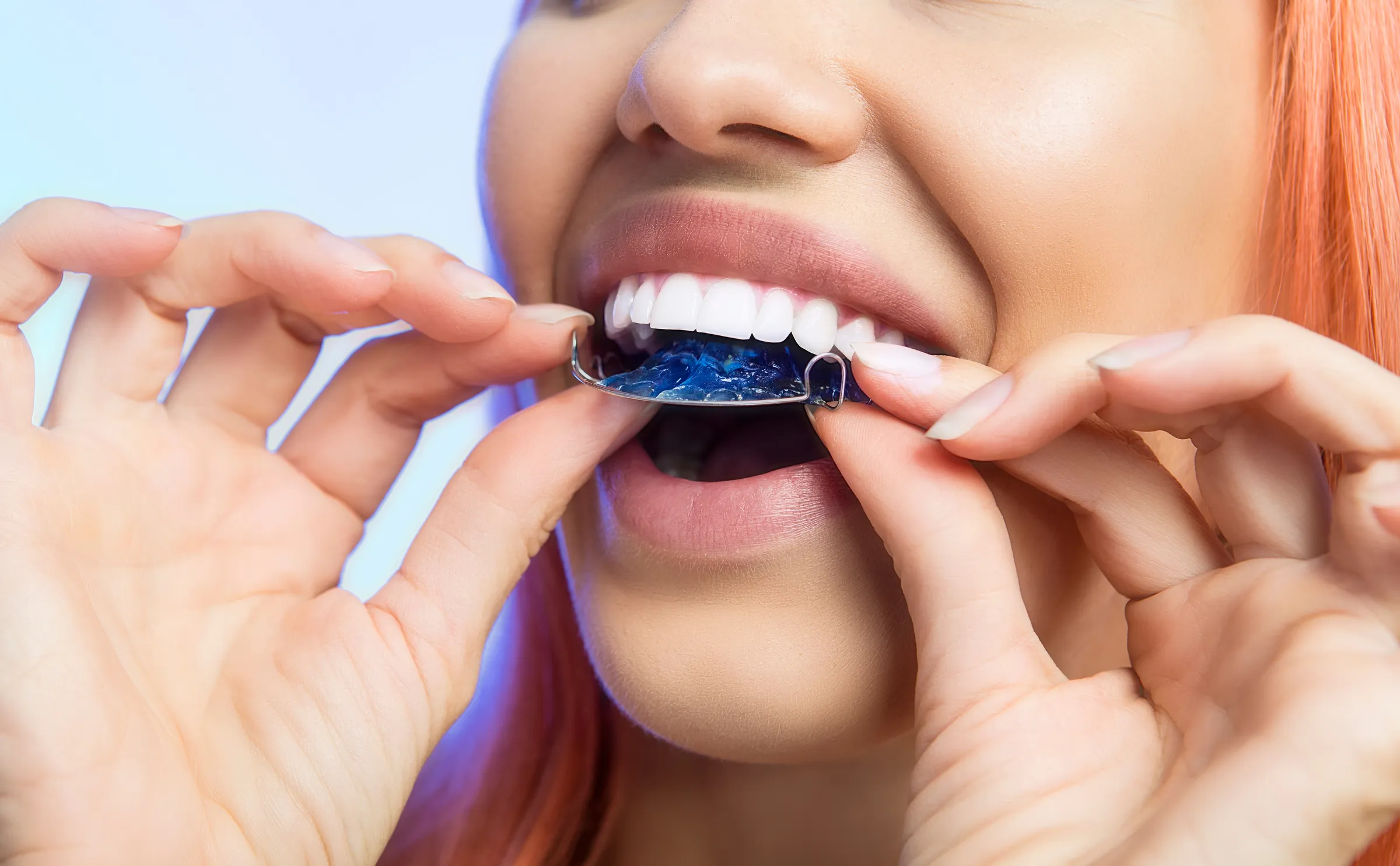
WHY RETENTION MATTERS
Holding the Result You Worked For
- Teeth naturally shiftEven after treatment is complete, teeth have a tendency to drift without something holding them in place.
- Bone and tissue adapt graduallyThe structures supporting your teeth need time to stabilize around their new positions.
- Consistency matters most early onWear is typically most important in the months right after active treatment finishes.
- Long-term wear is commonMany patients continue wearing a retainer, even if less frequently, for years afterward.
GETTING YOUR RETAINER
From Impression to Nightly Wear
- Records at the end of treatmentImpressions or digital scans capture your finished tooth positions.
- Choosing a retainer typeYour provider recommends a retainer suited to your treatment and habits.
- Fit checkThe retainer is checked for comfortable, secure fit before you begin wearing it.
- A wear scheduleYou’re given specific guidance on how many hours a day, and for how long, to wear it.
YOUR OPTIONS
What Retainers Includes
Retainer Replacement
Retainers can be lost, damaged, worn or become too tight if teeth begin to move. Contact the office rather than forcing an appliance that no longer fits. When appropriate, new digital records or impressions can be taken to fabricate a replacement and evaluate whether any tooth movement needs attention.
Retainer Types
Retainers are generally removable, such as clear plastic or wire-and-acrylic designs, or fixed, a thin wire bonded behind the teeth. Your provider recommends a type based on your treatment and how your teeth need to be held in position.
Caring for Your Retainer
Removable retainers should be rinsed after wear, cleaned regularly and stored in their case when not in the mouth to avoid loss or damage. Fixed retainers are cleaned in place with regular brushing and flossing around the wire.
IS THIS RIGHT FOR YOU?
When to Schedule a Visit
Anyone completing orthodontic or clear-aligner treatment needs a retention plan. Long-term wear is often recommended because teeth can continue to move throughout life.
- You recently finished braces or clear aligner treatment
- Your current retainer feels tight, loose or uncomfortable
- A retainer has been lost, cracked or worn down
- It has been a while since your last retainer check and you want to confirm your teeth haven’t shifted

WHEN A RETAINER NEEDS REPLACING
Don’t Force A Retainer That No Longer Fits
If a retainer feels unusually tight, it can mean your teeth have started to shift — forcing it into place is not the answer, and delaying a call can let the movement continue.
New digital records or impressions can be taken to fabricate a replacement and to evaluate whether any movement needs further attention.
Retainers FAQ
- What does retainers involve?
- Teeth naturally have a tendency to shift after orthodontic treatment. Retainers help maintain the result by holding teeth in their corrected positions while the surrounding bone and tissues adapt and as normal lifelong changes continue.
- How do I know whether this treatment is appropriate for me?
- Anyone completing orthodontic or clear-aligner treatment needs a retention plan. Long-term wear is often recommended because teeth can continue to move throughout life.
- What should I expect from the treatment process?
- Your dentist or orthodontic provider recommends the retainer type and wear schedule based on your treatment. Consistent wear is important, particularly during the early retention period.
- How long do I need to wear a retainer?
- Many patients wear a retainer nightly for an extended period, tapering over time, but the exact schedule depends on your treatment and is set by your provider.
- What happens if I stop wearing my retainer for a while?
- Teeth can begin shifting without regular wear, so it’s worth having your bite checked if you have gone without one for some time.
- Are all retainers the same?
- No, several types exist, from clear removable trays to fixed wires behind the teeth; the right one depends on your treatment and preferences.
- Can a lost retainer be replaced quickly?
- In most cases, yes — new records can be taken and a replacement fabricated, though timing depends on the retainer type.
- Do retainers need to be cleaned in a specific way?
- Yes, your provider will give you cleaning instructions specific to your retainer material to keep it clear and free of buildup.