


COSMETIC DENTISTRY
Dental Bonding
A conservative way to refine chips, small gaps, uneven edges and other minor imperfections while keeping your smile natural.
Bonding is often the simplest way to address a small cosmetic concern — the composite is shaped and hardened chairside, so most repairs are finished in a single visit without a lab-made restoration.

a smile made for you.
COSMETIC DENTISTRY
Dental Bonding at Valencia Dental Office
Dental bonding uses tooth-coloured composite resin that is carefully applied, shaped and polished directly on the tooth. It can be a useful option when the goal is to make a subtle cosmetic improvement without the more extensive preparation associated with some other restorations.
Because the material is added rather than removed, bonding is also one of the more conservative cosmetic options, which is why it is frequently the first treatment discussed for a chip, gap or shade concern.

WHAT BONDING CAN ADDRESS
A Conservative Fix, Tooth by Tooth
- Chips and small fracturesComposite is layered and sculpted to rebuild a missing edge or corner without removing more of the tooth than necessary.
- Gaps and spacingSmall spaces between teeth can often be closed by adding material to the sides of each tooth, rather than moving the teeth.
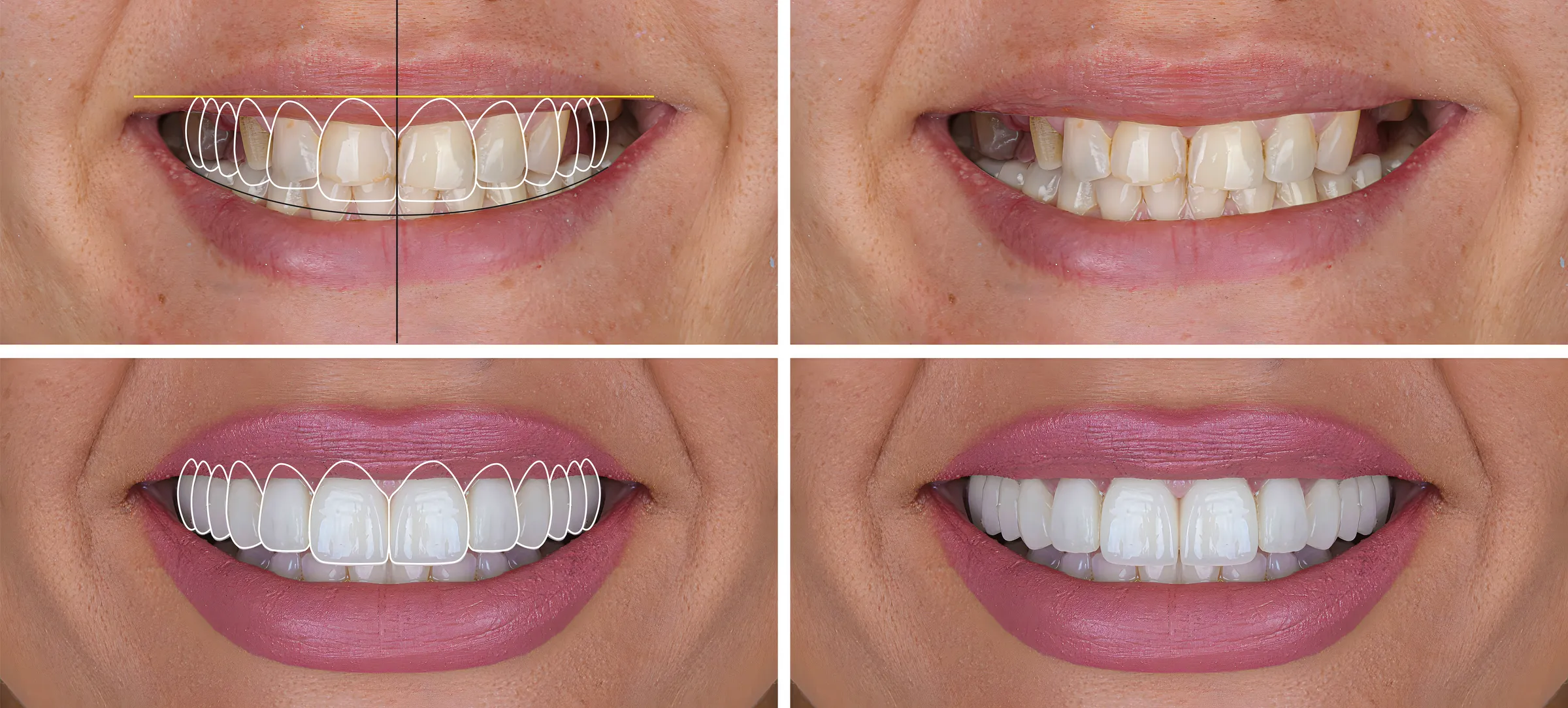
- Shade and shape refinementsUneven edges, small pits or a tooth that looks different from its neighbors can be blended in a single visit.
- A same-day optionBecause no lab-made restoration is required, bonding is usually completed in one appointment from start to finish.
THE APPOINTMENT
How Bonding Comes Together
- Shade matchingWe compare several composite shades against your natural enamel in daylight before committing to one.
- Surface preparationThe tooth is lightly conditioned so the material bonds securely; healthy enamel is otherwise left untouched.
- Layering and sculptingResin is applied in thin layers and shaped to match the contour of the tooth and its neighbors.
- Curing and polishingEach layer is hardened with a curing light, then the finished surface is polished to match the sheen of natural enamel.
WHERE BONDING FITS
Common Bonding Uses
Bonding is often the first option considered for a small cosmetic concern, before a more involved restoration is discussed.
Chipped or fractured edges
Rebuilding a corner or edge lost to a minor accident or long-term wear.
Gaps between front teeth
Closing or narrowing small spaces without orthodontic treatment.
Discolored or pitted spots
Covering a stained or textured area that whitening alone cannot resolve.
IS THIS RIGHT FOR YOU?
When to Schedule a Visit
Bonding may be appropriate for relatively small cosmetic concerns and otherwise healthy teeth. Larger fractures, extensive wear, decay or major alignment concerns may be better addressed with another restorative or cosmetic option.
- A chip or fracture is catching on your tongue or lip
- A gap between two teeth bothers you when you smile
- An old bonding repair has discolored or chipped
- You want a conservative option before considering veneers
CARING FOR BONDED TEETH
Keeping the Repair Looking Its Best
Composite resin is durable but not as hard as natural enamel, so it can wear, stain or chip over the years, especially with habits like nail-biting or chewing on ice.
Regular brushing, flossing and dental visits let us keep an eye on bonded teeth and address small wear before it becomes a bigger repair.

Dental Bonding FAQ
- What does dental bonding involve?
- Dental bonding uses tooth-coloured composite resin that is carefully applied, shaped and polished directly on the tooth. It can be a useful option when the goal is to make a subtle cosmetic improvement without the more extensive preparation associated with some other restorations.
- How do I know whether this treatment is appropriate for me?
- Bonding may be appropriate for relatively small cosmetic concerns and otherwise healthy teeth. Larger fractures, extensive wear, decay or major alignment concerns may be better addressed with another restorative or cosmetic option.
- What should I expect from the treatment process?
- We evaluate the tooth, your bite and the surrounding smile, select a shade that coordinates with your natural enamel, then sculpt and polish the material for a smooth, integrated result.
- Will bonding match the rest of my smile?
- Yes, that is the goal — the composite shade is matched to your surrounding teeth so the repair blends in rather than standing out.
- How long does a bonding appointment take?
- Most bonding is completed in a single visit, often within an hour, since the material is shaped and hardened chairside rather than made in a lab.
- Does bonding hurt?
- Bonding is usually painless and rarely requires anesthetic, since it does not involve removing significant tooth structure.
- Can bonding be used on more than one tooth?
- Yes, several teeth can be bonded in the same visit when the goal is a more even, cohesive smile.
- What happens if bonded material chips?
- A chipped or worn area of bonding can usually be repaired or re-polished, which is one advantage of the material over some other restorations.